Category: Lifestyle

  • Boy Bands: A History of the Soundand the Songs That Last

    Boy Bands: A History of the Soundand the Songs That Last

    By Sam Martin

    I have a rock and roll heart, but other sounds sneak in. Boy bands have always been my secret love: the love songs, the harmonies, the guys dancing. My boy band years ran from my teens with the introduction of New Edition and New Kids on the Block NKOTB and lasted weiil into my early thirties, perhaps beyond… While I was finding and building my out and loud gender queer identity they helped. My favourite is Backstreet Boys. I saw a little of myself in Nick Carter. We both were gifted with great hair!

    That’s my point of entry, not the whole story. Boy bands have a history that stretches through soul, R&B, Latin pop, dance music and the electronic records that took over radio. Their fans and their music deserve more than the old “manufactured pop” dismissal. What made the groups work? How has the sound changd? And what happens to the singers when the fans and the singers grow older?

    Before there was a boy band formula

    People sometimes start this story with the Beatles. I understand why: four young men, distinct personalities, screaming fans, photographs on bedroom walls. But if every group of young men with fans is a boy band, the phrase stops telling us anything about the music. The Beatles were a working instrumental band and songwriters who changed direction constantly. They belong in the story of fandom and image, but there are other, more direct musical routes to the groups I love.

    Listen to the Jackson 5. Motown put an astonishing young Michael Jackson at the front of a family group, surrounded him with his brothers’ voices, choreography and records that could reach across generations. “I Want You Back,” “ABC” and “Blame it on the Boogie” could be bright and immediate without being musically slight. The Rock & Roll Hall of Fame describes their sound as “bubblegum soul,” built from vocal-group music, R&B and Motown’s own tradition. That mixture of youthful energy, harmony, movement and grown-up musical craft would echo through later groups. The Jackson 5 also show why “boy band” can be a limiting label: they played instruments and belonged to a larger Black musical tradition, whether or not later pop histories recognize it. genui{“citation”:{“ref”:”turn7search1″}}

    Michael’s path from child lead singer to *Off the Wall*, *Thriller* and *Bad* changed the scale and sound of pop, and he became a model for later stars trying to move beyond a group. Jermaine Jackson also made solo R&B records, including “Let’s Get Serious.” The brothers’ later paths weren’t identical, but the Jackson 5 were a beginning for more than one career, not merely a prelude to Michael’s. genius.

    The Osmonds were another family act with enormous young audiences. Menudo, formed in Puerto Rico, developed a different model: the membership changed as the singers aged, keeping the group young. That made the name and the fan experience bigger than any one lineup. These groups did not sound the same, and their audiences did not all live in the same countries or speak the same language. They did show the music business how powerfully a young vocal group could connect through both songs and personality.

    Donny Osmond turned his childhood fame into a long solo and stage career; his Las Vegas residency is still scheduled in 2026. Menudo launched two strikingly different careers. Ricky Martin became an international Latin pop star, especially with “Livin’ la Vida Loca.” Robi Draco Rosa developed an adventurous solo career in rock en español and also co-wrote and co-produced that Martin hit. The shifting-lineup group sent artists into musical directions that could hardly fit inside its original formula.

    Then there is New Edition. If you want to understand the road to NKOTB, you have to stop here. Maurice Starr worked with New Edition before putting together New Kids on the Block. New Edition’s early “Candy Girl” openly recalled the Jackson 5, but the group did not stay frozen in that sound. As its members grew up, its R&B became more adult, and its members opened other routes: Bobby Brown as a solo star, Bell Biv DeVoe with “Poison,” Ralph Tresvant and Johnny Gill with their own records. New Edition is part of the musical family tree of the 1980s and 1990s, not a footnote before the white groups arrive.

    Brown’s “Don’t Be Cruel” made the connection between a teen group’s star and the harder rhythms of late-1980s R&B audible. Ricky Bell, Michael Bivins and Ronnie DeVoe formed Bell Biv DeVoe; “Poison” took that branch toward new jack swing. New Edition have also performed together as adults. They make an unusually clear example of a group becoming several musical careers while the original act retains its own identity.

    The groups everyone called boy bands borrowed heavily from Black vocal music. Some were themselves Black vocal groups. Soul and R&B shaped the voices, the phrasing, the slow songs and the dance records. New jack swing would bring programmed beats and hip-hop rhythms into R&B; late-1990s production would make pop choruses bigger and cleaner still. The links are audible when you listen past the marketing.

    NKOTB and I was Hooked!

    New Kids on the Block were the first boy band I remember as a boy band. I had already heard New Edition and Bobby Brown; NKOTB arrived as this full-blown pop phenomenon with songs, dancing, personalities and a crowd of teeny bopper girls that seemed to know exactly which of the five belonged on their bedroom wall.

    One part of the format was giving each member a recognizable image. Fans could pick a favourite, which made the group feel both enormous and oddly personal. Donnie was the one I first saw myself in, but I connected with Jonathan Knight too. As a masc-identified person in Toronto’s queer clubs, I could vicariously through the songs live the life of a young male I thought wasn’t available to me. I didn’t know Jonathan was gay then. He later talked openly about the pressure to hide it during the band’s early years. I think about that now when I remember hiding my own secuality and gender identity. How I felt like such a liar.

    The records still have their own pull. “Please Don’t Go Girl” asks for the most direct emotional response possible. “You Got It (The Right Stuff)” has that snap you can hear before anyone starts singing. “Hangin’ Tough” puts a little defiance around the group. I love “Step by Step”; it knows exactly how to lodge a chorus in your head. Their 1988 album *Hangin’ Tough* made the model enormous: love songs and dance tracks, five recognizable guys, videos and an audience that didn’t need anyone else’s permission to love them.

    “Games” is one of my favourites. I love how it meshes hip-hop with the group’s pop sound. Donnie’s rap gives it a harder edge, and that energy still hits me.

    NKOTB didn’t invent that mix. Starr’s work with New Edition is an essential piece of their story. The New Kids carried it into mainstream pop on a scale later managers and labels watched closely. But an image only travels so far without songs people want to hear again.

    The videos and merchandise gave NKOTB reach beyond radio. That visibility attracted mockery too, much of it aimed at the age and gender of their fans. Yet *Hangin’ Tough* supplied a practical template for later groups: contrasting singles, identifiable members, coordinated performance and a fan culture that could keep growing between album releases. The hooks have lasted better than some of the outfits.

    The five New Kids reunited in 2008, released more music, and kept playing to the fans who grew up with them. Their 2024 album *Still Kids* and their scheduled 2026 Las Vegas shows put them in a rare position: they can perform the young versions of themselves while standing on stage as the people they actually are now. I find that more interesting than pretending the years didn’t happen.

    The R&B voices between the waves

    Before getting to my favourite, I have to make room for Boyz II Men. People don’t always put them in the same boy band conversation, perhaps because their R&B identity and vocal ability are so central to their reputation. That is precisely why they belong in the musical history. “End of the Road,” “I’ll Make Love to You” and “On Bended Knee” showed how much a group could do with the tension between individual leads and voices coming together. Their records moved through doo-wop, new jack swing and hip-hop-era R&B; the harmonies could be tender without being small.

    They also help explain the next shift. The biggest late-1990s groups would combine the emotional pull of R&B male vocal groups with the scale of teen pop. Take That, Boyzone and Westlife took other versions of the format through Britain and Ireland. None of these acts was making music in isolation. Radio, music television, producers and fans were passing ideas between scenes and countries.

    Take That also gave Robbie Williams a start before his very different solo career, while Gary Barlow continued as a songwriter and performer and the group eventually reunited. Boyz II Men, meanwhile, continued after original bass singer Michael McCary’s departure as Nathan Morris, Shawn Stockman and Wanya Morris. These outcomes say more about the range of paths available after a boy band than a simple “who made it?” tally.

    The production credits show that exchange as clearly as the charts do. Boyz II Men worked with Babyface on “I’ll Make Love to You” and with Jimmy Jam and Terry Lewis on “On Bended Knee.” Jam and Lewis had worked with New Edition too. A producer’s sound could move between artists, while each group’s arrangement and voices changed its effect. By the time Max Martin’s melodies were powering Backstreet Boys and *NSYNC, the route between R&B ballad, dance beat and radio pop was well travelled. Boy bands did not create every one of those sounds. They carried them to audiences who might first encounter a style through a love song or a video and then follow it somewhere else.

    And around the big names came a flurry of groups that many of us remember by one song: Canadian group soulDecision’s “Faded,” LFO’s “Summer Girls,” BBMak’s “Back Here,” O-Town’s “All or Nothing.” That “I’m kind of faded, but I feel all right” hook still comes right back. soulDecision also had “Ooh, It’s Kinda Crazy.” Nick Lachey’s 98 Degrees had several hits, including “The Hardest Thing” and “I Do (Cherish You),” but their first run felt brief beside Backstreet Boys’ continuing career. Nick moved into solo music with “What’s Left of Me” and television, including hosting *Love Is Blind*. The group eventually returned, releasing *Full Circle* in 2025. They weren’t all literally one-hit wonders, but together those songs made it feel as though another group arrived every time you turned on the radio.

    Backstreet Boys: my favourite

    Backstreet Boys are the ones I return to most. Yes, the looks were part of it. So were the love songs. But if you put the photographs away and just play the records, the five voices still make the case. Brian, AJ, Nick, Howie and Kevin sound like a group. Each can give a song a different colour; together they make the chorus bigger than any one of them.

    “Quit Playing Games (With My Heart)” and “I’ll Never Break Your Heart” sit closer to the R&B-ballad side of the story. “As Long As You Love Me” picks up a quicker pop pulse. “Everybody (Backstreet’s Back)” comes at you with costumes, choreography and a wink; it wants a room full of people to join in. Their early sound brought the vocal-group tradition into the very polished pop world of the 1990s. The Recording Academy draws a line between Boyz II Men’s R&B success, NKOTB’s teen appeal and what Backstreet Boys brought together. I hear that history, but I also hear five particular voices that made it theirs.

    Then there is “I Want It That Way.” It is one of those records where people can debate the words forever and still sing every note. Written by Max Martin and Andreas Carlsson, it became the centrepiece of a pop sound that would travel far beyond this group. Martin and the Swedish production teams around him helped build melodies and choruses that hit with enormous clarity on the radio. The Backstreet Boys gave those songs human voices. The space between a perfectly constructed melody and the feeling you hear in a singer’s voice is where the record lives.

    My favourites go beyond that one hit: “Incomplete” from *Never Gone*, “Inconsolable” from *Unbreakable*, and “Chances” from *DNA*. Those later songs are part of why I don’t leave Backstreet Boys behind in 1999. I still want to hear what they did as the group grew older.

    This is where the genre’s love songs do their quietest work. A record made for millions becomes connected to one listener’s relationships. Years later, a chorus can bring back someone they dated or loved. I hear that in Backstreet Boys, which is one reason they remain my favourite. The feeling is personal; the musical skill that makes room for it is there on the record for anyone to hear.

    The group did something many acts from a huge pop wave don’t manage: they kept being a group. Members pursued their own work and lived through the changes that come with decades in public, but the five still perform together. Their *Into the Millennium* show at Sphere in Las Vegas extended through 2026, with further dates announced into early 2027. That isn’t a museum display of the 1990s. It is five men doing the work of singing those songs now, for people who have lived a lot since first hearing them.

    *NSYNC and the moment pop started moving faster

    *NSYNC arrived into a world where the boy band could already fill an arena. They had to stand out inside a crowded sound, and they did. “Tearin’ Up My Heart” has the early rush; “Bye Bye Bye” arrives with that unmistakable movement and chorus; “It’s Gonna Be Me” clips the phrasing into something almost rhythmic. By “Pop,” the group sounds fully aware that people are arguing about whether music like theirs counts. Rather than plead for approval, the song pushes harder.

    The rivalry with Backstreet Boys made for easy headlines. As a listener, I hear two different approaches. Backstreet Boys give me the love song that opens up and lets the voices sit in it. *NSYNC often sound like they want to turn a corner halfway through the track and show you another move. Both used the great late-1990s pop-writing machine, including Max Martin. Neither can be reduced to it.

    Their 2000 album *No Strings Attached* sold about 2.4 million copies in its first US week. That’s a picture of scale, but the more interesting story is the shift in the records. By *Celebrity*, “Pop” and “Gone” pointed toward a more individual sound, particularly for Justin Timberlake. On “Gone,” he takes the lead throughout; that tells you something about the direction things were moving. It doesn’t erase JC Chasez’s voice or the contributions of Lance Bass, Joey Fatone and Chris Kirkpatrick to the group that got him there.

    Lance was the other blond guy I connected with—the one who trained for a trip to space but never flew. I didn’t know he was gay at the time either. It’s strange and interesting to look back at Jonathan and Lance now: I connected with both while I was working out who I was, without knowing that part of either man’s life.

    The group went on hiatus in 2002. The members found work in music, theatre, film, television and other corners of entertainment. JC released a solo album; Justin’s solo career became a much bigger public story. They recorded “Better Place” for *Trolls Band Together* in 2023, their first new song together in over twenty years, and reunited again on “Paradise” on Justin’s 2024 album. Hearing those voices back together reminds me why the group mattered in the first place.

    Justin: why the solo career lasted

    Justin Timberlake had the most durable solo pop career to emerge from these three groups. That fact can lead to lazy conclusions. He didn’t succeed because he alone had talent, or because boy band music was something he had to escape. *NSYNC gave him a platform, a huge audience and years of experience singing and performing. He then had to make a record people would choose for a different reason.

    *Justified* did that in 2002. With collaborators including the Neptunes and Timbaland, he moved into a more adult R&B and pop sound. “Like I Love You,” “Cry Me a River” and “Rock Your Body” belonged to a new phase without asking listeners to forget his voice. That balance mattered: he was familiar enough to bring an audience with him and different enough to earn a place on radio as a solo act. It also mattered enormously who made those sounds with him. Pharrell Williams, Chad Hugo and Timbaland weren’t background names. Their ideas shaped what the records could be.

    He made another sharp turn with *FutureSex/LoveSounds* in 2006. “SexyBack” didn’t sound like a boy band member offering a safe update of his old hits. The electronic textures and rhythms pushed at what pop radio was doing. *The 20/20 Experience* in 2013 and a long run through television, film and later music kept him present between pop cycles. “Can’t Stop the Feeling!” reached listeners far removed from *NSYNC’s first audience. That is how a career lasts: enough continuity to be recognizable, enough change to have another reason to listen.

    Timing helped. Producers were crossing freely between R&B, hip-hop and pop; Justin had performance skills, collaborators, an audience and an industry willing to put him at the centre of the story. His rise wasn’t an individual act of will.

    That is what I mean when I wonder why he survived the hardest part of leaving a boy band. He found an identity outside the group that listeners accepted over more than one album. It doesn’t mean his bandmates failed. JC’s path, for example, shows that a remarkable singer can make different choices and receive a very different level of industry support. The public can be unfair in deciding whose second act gets called a success.

    Justin’s 2024 record *Everything I Thought It Was* included “Paradise” with *NSYNC. It was a reminder that the group and solo histories can occupy the same life. Whatever each of us thinks of him now, the records tell a clear story of a performer who kept finding new producers, new sounds and new audiences.

    The bands grew older. So did I.

    The format kept changing after *NSYNC. One Direction brought it into the social-media years without the synchronized dance routines; Harry Styles later made a distinct solo career. BTS and other K-pop groups took choreography, production and global fan communities in new directions. Those bands belong in the history, but I grew up too. For the most part, I left the genre there and stuck with the groups that were part of my own life. Those are the records I still go back to.

    Loving boy bands shouldn’t require an embarrassed confession. We can laugh at the hair and examine the marketing without dismissing the harmonies, the changes in production or the influence on later pop. We can also pay attention to fans, who gave these songs meanings far beyond anything printed on an album sleeve.

    I now hear more clearly the roots beneath all three groups: the Jackson 5, New Edition, Boyz II Men, the writers and producers, R&B that quick histories too often skip. I hear the years in the songs as well. Some remind me of women I’ve loved. Others just make me turn the volume up.

    That’s the thing about a playlist. It can put a song made for millions next to the one memory that belongs only to you. I’ll be sharing the tracks behind this piece on Patreon; you can also find me on YouTube at **@thesamimartin**. Play the songs you thought you’d outgrown. You may hear somebody you used to be, and maybe somebody you’re still becoming.
  • Lessons Learned Later – Love and Loss!

    Lessons Learned Later – Love and Loss!

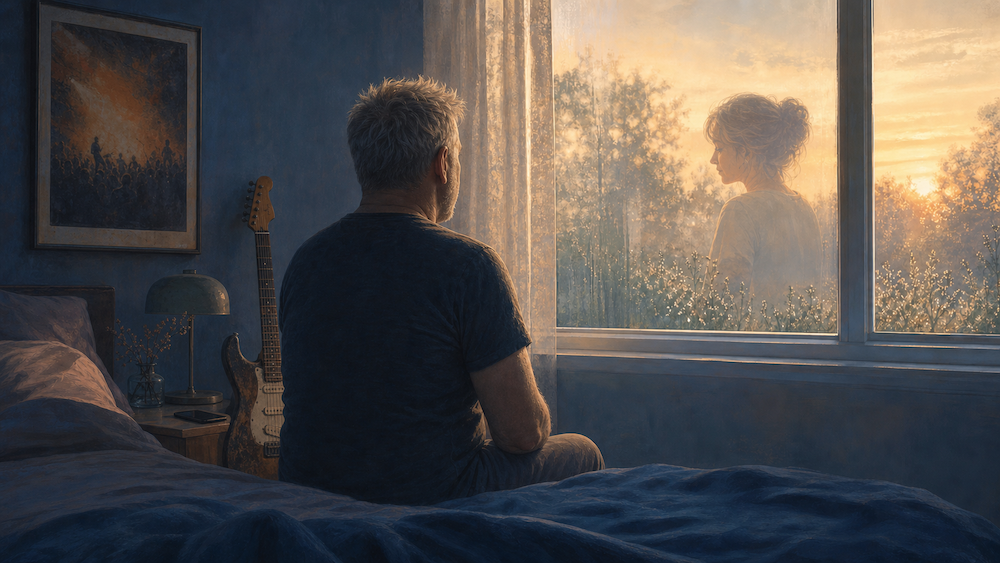
    When I woke that morning, she was there. Not physically, of course, but present in one of those dreams that feels real enough to follow you into the day. She does not appear often anymore, but still enough that I pay attention. I usually feel a little off afterward, as though I woke before some unfinished conversation had reached its end. The details disappear quickly, the way dreams dissolve the moment daylight reaches them, but the feeling remains. Sometimes the feeling is the only part that matters.

    I wish I were better at capturing dreams when I first wake up. I have forgotten some truly fantastical ones over the years, entire worlds created in the dark and erased before the coffee finishes brewing. I always think I will remember because everything seems so vivid in that first moment. Then an hour later, I am left with a few disconnected images and a mood I cannot explain.

    One of the things I learned through therapy is that the people who appear in our dreams may represent different parts of ourselves reflected through them. I do not know if that explains every dream, and I am not pretending to understand the subconscious, but the idea stayed with me. Certain people enter our lives and reveal something that had been hidden inside us. They give us permission to be softer, louder, more adventurous, more creative or simply more alive. Long after they leave, we may not only miss the person. We may miss the person we became while standing beside them.

    Perhaps the woman in the dream was not there to remind me of a particular relationship. Perhaps she appeared because some part of me had gone missing, and my sleeping mind used a familiar face to point me toward it.

    After waking, I did what most of us do and reached for the device beside the bed. Notifications, messages and the usual morning scroll through a world already making demands before my feet touched the floor. Then I noticed a small interaction connected to the past. It was nothing dramatic, nothing that would mean anything to anyone else, but the timing stopped me. Why that morning? Why while the dream was still hanging in the air like dew on the grass?

    The logical part of me knew there was no connection. A dream is a dream, and a social media notification is a small electronic event created by an algorithm, a thumb and chance. The world is full of coincidences because our lives are full of moments. Eventually, two of them are going to land beside each other in a way that feels meaningful. Still, for a brief moment, the spell of wonder started spinning in my head.

    Was it a sign? I tried to shrug off the thought because this life has no time for such things, or at least that is what I tell myself. There are bills to pay, work to do, responsibilities to carry and ordinary problems that will not be solved by searching for messages in dreams. Yet here I am writing about it, so apparently I have more time for such things than I care to admit.

    Maybe signs are not predictions or instructions. Maybe they do not mean we should reopen closed doors, reach into the past or assign cosmic purpose to every coincidence. Maybe a sign is simply something that causes us to stop long enough to notice what is already happening inside us. The meaning may not exist in the moment itself. It may exist in the thoughts the moment awakens.

    Music does that to me all the time. A song comes on and suddenly I am no longer wherever I happen to be. I am in another city, another room or another version of my life. I can see what I was wearing, remember who stood beside me and feel the emotional weather of a day that disappeared years ago. A few notes can accomplish what hours of deliberate remembering cannot.

    I have always seen parts of life through song lyrics. Sometimes a lyric explains what I am feeling before I have found my own words. Sometimes memories play out to the same old songs, even when I believed I had moved beyond that part of the story. Our lives accumulate soundtracks whether we intend them to or not. There are songs for falling in love, songs for leaving, songs for driving without a destination and songs for sitting alone after midnight wondering how everything changed.

    Some songs we play repeatedly because they help us feel something. Others we avoid because they make us feel too much. Years later, one finds us in a grocery store, a café or a random playlist, and the memories begin performing their old choreography.

    “Love Hurts” by Incubus is one of those songs that states the obvious while somehow making the obvious feel newly discovered. Love hurts. We know this before we have enough life experience to understand what it means. We hear it in songs, see it in movies and watch it happen to other people. Then it happens to us, and suddenly all those warnings stop being ideas.

    Love can be the greatest joy we experience and still carry the ability to dismantle us. The pain is not always proof that love was wrong or false. Often, it hurts precisely because it mattered. Someone became woven into our ordinary life, and removing them pulls at everything around them.

    There are different kinds of hurt. There is the immediate pain of an ending, sharp enough to make the future feel impossible. There is the quieter ache of realizing that two people can love one another and still be unable to build a life that works. Then there is the delayed pain, the kind that waits beneath the surface until a dream, a notification or an old song finds it.

    For years, I treated pain as a problem I could solve if I thought about it long enough. I would return to conversations, decisions and turning points, looking for the moment when everything could have gone another way. If I examined every detail from enough angles, surely I would find the hidden answer that made the ending fair.

    Oh, the unfairness of it all. Seriously, that was my attitude. Why could I not love someone more? Why could they not love me in the way I wanted? Why could something that felt important simply end?

    The answer is not satisfying: sometimes it just does.

    Life is always evolving, and so is the love between two people. Those who are lucky evolve together. The rest of us… not so much. Hi, my name is Sam, and I have spent a fair amount of time living in the “not so much.”

    We talk about love as though feeling it should be enough. It is a lovely idea and makes for excellent songs, but two people can genuinely care for one another and still be incompatible. Love does not automatically heal old wounds or teach us how to communicate. It does not guarantee that two people want the same future or know how to reach it together. Sometimes love is present and the relationship still runs its course.

    When love leaves, it usually leaves a scar. That brings me to “Scar Tissue” by the Red Hot Chili Peppers, a song that has followed me through many different versions of myself. Scar tissue is a perfect description of what remains after we heal because healing does not return us to the person we were before the wound. The body repairs itself, but it remembers. The new tissue is tougher in some ways and less flexible in others.

    Emotional scars behave much the same way. We survive, but survival changes the texture of us. We may become more cautious about vulnerability or create rules designed to prevent history from repeating itself. We tell ourselves that experience has made us wiser, and sometimes it has. Other times, what we call wisdom is fear wearing a more respectable jacket.

    I created rules because rules felt safer than uncertainty. If enough time passed and I followed the correct steps, surely I would emerge healed and ready for whatever came next. Unfortunately, healing is not an administrative process. There is no form to complete, no required waiting period and no certificate announcing that the past can no longer reach you.

    I also learned that happiness and healing are not the same thing. A new experience can make us happy while old pain remains buried underneath it. We can laugh, travel, create and make plans while some unexamined part of us quietly continues to shape our choices. I believed I had healed because I was functioning. What I did not understand was that I had pushed some of the pain so deeply inside myself that I could no longer see how it affected me.

    The scars were there. They appeared in my expectations, my reactions and the rules I made about what love was supposed to feel like. They showed up when something in the present sounded too much like something from the past. A wound does not have to remain open to remind us where it was.

    The challenge is learning to live with scar tissue without allowing it to become our entire identity. A scar can be evidence that we survived, but survival is not the same thing as living. Eventually, we have to stretch the healed place. We have to risk movement, knowing it may feel uncomfortable and trusting that discomfort does not always mean danger.

    Then there is James Blunt’s “You’re Beautiful,” perhaps one of the clearest musical examples of the distance between a meaningful moment and a lasting relationship. Beauty can be real without becoming ours to keep. A connection can matter without developing into the future we imagine for it. Sometimes we see someone, recognize something extraordinary and then continue in separate directions.

    That is difficult for those of us raised on happily ever after. We want the beautiful moment to be the beginning of a permanent story. If it ends, we assume the story failed. We keep returning to what might have been, polishing the possibility until it shines more brightly than reality ever did.

    Memory is a talented editor. It cuts the awkward silences, softens the arguments and turns ordinary moments into beautifully lit scenes. It knows exactly which songs to place underneath them. Real life was never arranged so perfectly. Love is not only private jokes, thoughtful gestures and moments when another person changes the gravity of a room. It is also bad timing, incompatible needs, tired conversations and two people changing in ways they may not understand until the distance between them becomes too large to cross.

    Remembering the magic does not require us to deny the difficulty. Something does not become false because it ended. A relationship does not need to last forever to have succeeded at being meaningful. Some people are not meant to accompany us through every chapter. They arrive, change the direction of the story and leave before we understand what they taught us.

    Lessons learned later still count.

    “1973,” another James Blunt song, captures the way people, places and music become tangled together. My memories do not belong to that exact year, but I understand the feeling. We remember someone and the soundtrack returns with them. We hear the song and, for a few minutes, the past is not past at all.

    Every generation has its version of this. The songs change, but what they hold does not. Music stores more than memory; it stores the person we were when we first listened. A song from decades ago can return our old hopes along with our old heartbreak. It reminds us of what we believed life would become before life had the opportunity to become something else.

    The danger is mistaking nostalgia for direction. The past can be beautiful when viewed from the right distance, but it is not necessarily asking us to return. Sometimes the old song is simply reminding us that we survived that chapter. Sometimes it points toward a part of ourselves that became buried when the music stopped.

    I have lived in different places, known fascinating people and experienced some cool stuff. I have also hit versions of rock bottom mentally, emotionally and financially. I have journals filled with stories, though reading them now can be an adventure. Some pages contain insight. Others are the self-indulgent ramblings of a kid—or an emotionally stunted adult—questioning the same thing a million different ways.

    I was trying to think my way into emotional certainty. Because of my quest for happily ever after, I severely overprocessed my feelings, especially during endings. Life, however, is rarely fair in the tidy way I wanted it to be, and there is no amount of overthinking that can force it into submission. We can learn from the past, but we cannot solve it. At some point, reflection becomes another hiding place.

    The older I get, the less interested I am in reducing people to heroes or villains. Most of us are inconsistent human beings doing our best with whatever emotional tools we have available. We love imperfectly. We protect ourselves in ways that hurt others. We remain silent when we should speak and speak carelessly when silence might have been kinder. Then we carry our version of the story forward, usually unaware that someone else remembers the same events differently.

    I have been hurt, and I have hurt people. Any honest examination of my life must include both. Growth demands a view that is not always flattering. There were times I struggled to be vulnerable, times I communicated poorly and things I expected others to understand without ever explaining them. I overprocessed some feelings while avoiding the ones that required actual change.

    Acceptance does not mean approving of everything that happened or decorating painful experiences with forced gratitude. Sometimes terrible things are simply terrible. Acceptance means allowing the truth to be true without endlessly trying to negotiate with it.

    It was good. It was difficult. It mattered, and it ended. All of those things can be true at the same time.

    After “Love Hurts,” “Scar Tissue,” “You’re Beautiful” and “1973,” I find myself arriving at Coldplay’s “Adventure of a Lifetime.” Not because every painful lesson suddenly turns into an upbeat ending, but because eventually we have to choose whether we are still participating in our own lives.

    There is a point when healing has to become more than looking backward. We can spend years identifying the wounds, understanding the patterns and explaining why we became who we are. That work matters, but there is also a world outside the examination room. There are places we have not visited, people we have not met, stories we have not written and parts of ourselves we have not yet discovered.

    Adventure does not have to mean jumping out of an airplane or running away to another country, although I would never completely rule out either. Sometimes the adventure is allowing yourself to want something again. It is trying after disappointment, creating after failure and trusting joy without demanding proof that it will last forever.

    That may be the part of myself the dream was pointing toward. Certain people reveal qualities within us—creativity, playfulness, vulnerability, wonder—and when they leave, we sometimes behave as though those qualities left with them. We associate that version of ourselves so completely with the relationship that we forget it was ours.

    Those pieces never belonged to anyone else.

    Healing is not about becoming someone new. It is about finding all the pieces of yourself you lost along the way and finally bringing them home. Some pieces were abandoned because we needed to survive. Others became attached to people, places or former versions of our lives. We assumed they disappeared when those chapters ended, but perhaps they were waiting for us to return.

    I am in the back nine of life now, a little wiser and perhaps a little saltier. Some parts of the climb from rock bottom have been easier than others. There are days when I can see the distance traveled and days when it feels as though I have barely moved.

    Patience. Do the work and reap the reward. That is what I tell myself, although I remain impatient and would prefer the reward to arrive ahead of schedule.

    I still do not know whether dreams contain signs. I do not know if the universe places coincidences in our path or if the human mind is simply talented at arranging random moments into stories. I suspect I will continue moving between skepticism and wonder because both are honest parts of me.

    What I know is that the dream made me pay attention. It did not make me want to return to the past. It made me recognize what I had left there.

    Letting go does not mean pretending someone never mattered. It does not require us to erase love, deny the magic or reject the person we became through knowing someone. Letting go means accepting that a relationship belongs to another time while reclaiming everything within us that is still alive.

    The memories will continue to appear. A dream, a photograph or the opening notes of an old song will bring them forward when I least expect it. For a few minutes, another year may feel close enough to touch. I may remember the room, the laughter and the person I was then.

    But I live here now.

    Here is not perfect. I am still learning, rebuilding and finding pieces of myself in places I forgot to look. Some lessons took decades to reach me. Others probably arrived years ago, and I was too busy arguing with life to hear them.

    That is okay. Lessons learned later still count, and the pieces we recover still belong to us.

    Maybe healing is not the moment when the old songs stop playing. Maybe it is the moment when we can hear them without mistaking memory for a destination. “Love Hurts” can remind us that feeling deeply carries a risk. “Scar Tissue” can show us that healing leaves a mark. “You’re Beautiful” can help us honor a moment without trying to possess it. “1973” can let the memories dance again without trapping us inside them. “Adventure of a Lifetime” can remind us that the story is still happening.

    We let the songs play. We honor the lives attached to them, gather the pieces of ourselves they return to us and then continue forward—scarred, wiser and more whole than we were before.

  • The Realities of Living With Knee Pain

    The Realities of Living With Knee Pain

    Let’s Start With Honesty, Not Inspiration

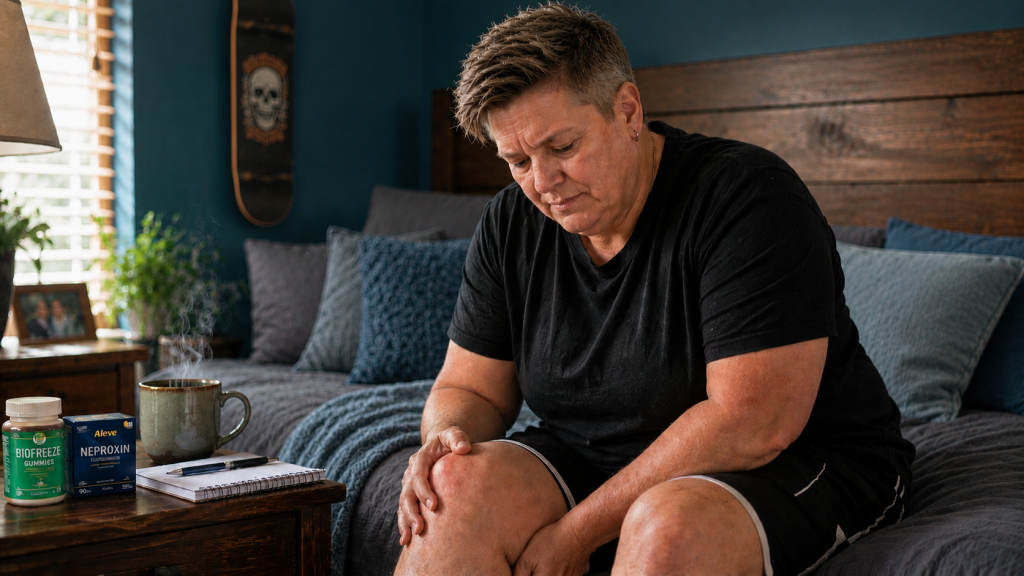
    I’m not going to open this with a transformation story. I don’t have one yet. What I have is a body I haven’t been easy on, two knees that are letting me know it, and the decision—made recently, quietly, without fanfare—that something has to shift.

    Knee pain

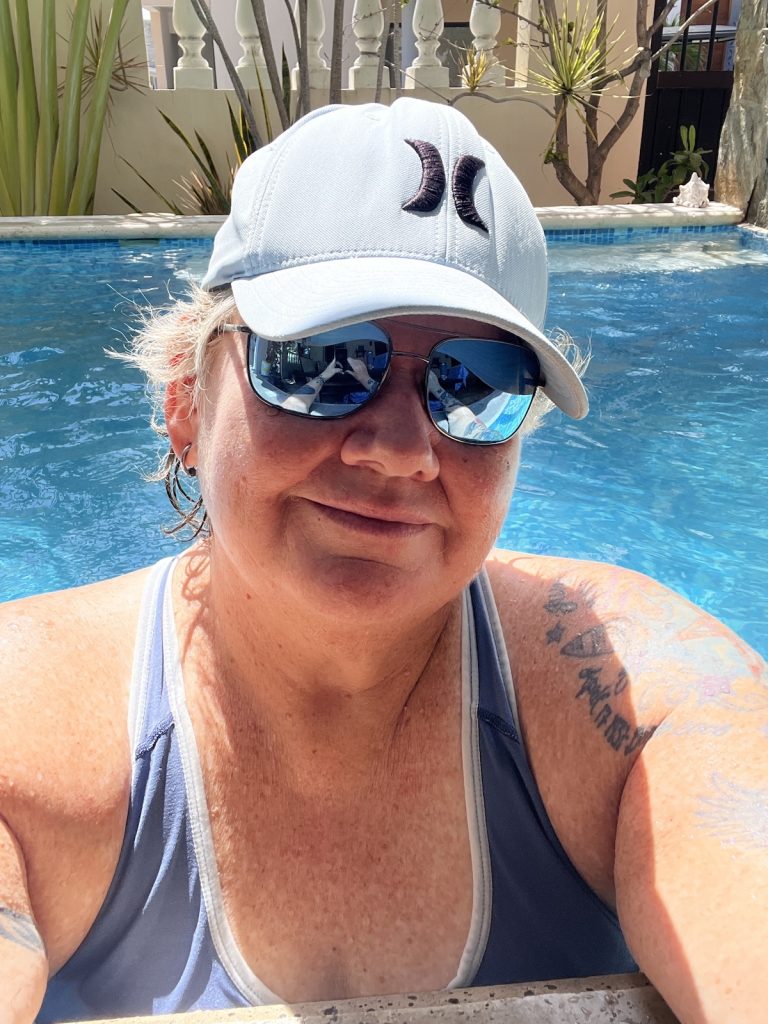
    This is the beginning of an ongoing series about rebuilding mobility and physical health in midlife, specifically from home, specifically without the kind of pretend-enthusiasm that fills most wellness content. I’m a gender-queer person in my fifties living on Isla Mujeres in Mexico, and I’ve spent years loving this island’s ocean while increasingly struggling to move around it the way I want to.

    That has to change. So let’s talk about where I actually am before we talk about where I’m going.

    The State of the Knees: Full Accountability

    Both knees are bad. The left one is worse.

    This is a combination of things. Old hockey damage from years ago that healed improperly or just wore in ways that compound over time. The natural deterioration that happens when you’re aging and you’ve put your body through its paces. And—and this is the part I’m not going to hedge around—weight. Carrying more weight than my frame and these joints handle well, for longer than I should have.

    I’d say weight is contributing to maybe seventy-five percent of the current problem. The rest is injury history and age. Both of those I can’t change. The weight situation is more complicated, more gradual, and more within my influence than the other factors.

    Walking is difficult on bad days. Some mornings I get up and I can feel exactly what kind of day it’s going to be from the moment my feet hit the floor. There’s stiffness that doesn’t resolve quickly. Discomfort that changes the way I move through space—shorter steps, more careful navigation of stairs, a hesitation before anything that requires impact.

    I’ve lived with this long enough that some of it stopped registering as abnormal. That’s what chronic discomfort does—it normalizes itself. You adapt your life around it without fully acknowledging that you’ve adapted. You stop walking places you used to walk. You sit when you used to stand. You find workarounds until the workarounds become the default.

    I’m naming this clearly because I think a lot of people reading this know exactly what I mean—and I don’t see it described honestly very often. Most content about knee pain and mobility is either clinical and detached or aggressively optimistic. Neither of those is where I am. I’m somewhere in between: clear-eyed about the problem, realistic about the work required, and tired of the status quo.

    What I’ve Been Doing (Nothing)

    Right now, my movement routine is: nothing.

    No formal exercise. No structured stretching. No deliberate low-impact activity. Walking when I need to walk. Sitting more than is good for me. This is what years of chronic discomfort and a lifestyle that got progressively more sedentary produces.

    This is not a proud admission. It’s also not a shameful one. It’s just where I am, and naming it accurately is the first step toward changing it.

    I’ve had periods in my life of being more active. I’ve had periods where I was more conscious of movement and strength. I know the difference it makes. I’ve let those periods end and not reinitiated them, which is the pattern I’m looking at now.

    The reasons are real: pain creates a disincentive to move. When movement hurts, the rational response is to move less. But less movement leads to weaker supporting muscles, which leads to more pain, which leads to less movement. It’s a loop that tightens quietly until you’re much further from functional than you realized you’d gotten.

    I’m further from functional than I’d like to be. That’s the truth.

    Why Low-Impact Movement Is the Only Realistic Starting Point

    Here’s what I know about starting over with mobility when you have damaged joints: you don’t start where you think you should. You start where you actually are.

    For me, that means low-impact. That means nothing that loads the knees with impact—no running, no jumping, no anything that requires landing on a hard surface with your full weight moving through already-compromised joints. That’s not defeatist. That’s physics.

    What I can do:

    Walking—carefully, gradually, on surfaces that aren’t punishing. The island has good surfaces for this. I have access to beach, which is softer, and to relatively flat streets. Short distances. Consistent frequency. Not intensity—frequency.

    Water movement. I have the Caribbean. I have access to some of the most beautiful snorkeling water in the world, and moving in water takes significant load off the joints while still engaging the body. This is something I already love. This is something I’m going to use deliberately.

    Chair-based and floor-based mobility work. Stretching. Strengthening the muscles around the knees—specifically the quads, hamstrings, and hip stabilizers—which takes pressure off the joint itself. This is foundational work that doesn’t require equipment and doesn’t require impact.

    That’s the beginning. Modest. Deliberate. Consistent.

    Weight, Honestly

    This is the part I want to get through without either glossing over it or turning it into a self-flagellation exercise.

    Weight is a significant factor in knee joint health. This is not opinion—it’s mechanics. Every pound of body weight exerts multiple pounds of force on the knee joint under load. For someone who is significantly overweight with already damaged joints, this is not a minor consideration. It’s central.

    I’m not going to give you numbers because the numbers aren’t the point. The point is that I know—I have known for a long time—that my weight is contributing heavily to this problem and I’ve done very little about it consistently.

    Part of this is the loop I already described: pain reducing movement, reduced movement contributing to weight, weight contributing to pain. Part of it is emotional eating that I understand intellectually but haven’t always managed well in practice. Part of it is living somewhere where food is social and joyful and the local cuisine is genuinely wonderful and moderation has not always been where I’ve landed.

    I’m not starting a dramatic dietary overhaul. I’ve done that enough times to know that dramatic overhauls produce dramatic short-term results and then relapse. What I’m doing instead is starting to eat more deliberately. More consciously. Less reactively.

    Less food that serves an emotional function and more food that serves a physical one. Not deprivation—I’m not built for deprivation and I don’t believe in it—but consciousness. Attention. Choosing what I put in my body the way I’m trying to choose everything else: with some awareness of what it’s actually doing for me.

    What Rebuilding Actually Looks Like in Practice

    Let me be concrete about what the beginning of this looks like, because I think concrete is more useful than aspirational.

    Week one: Getting up from sitting at least every hour. Walking to the water at least once a day—not fast, not far. Starting. Just starting.

    The first movement routine: Fifteen to twenty minutes in the morning before the heat sets in. Seated stretches for the hips and hamstrings. Slow knee extensions. Gentle quad sets—contracting the muscle, holding, releasing. This is not a workout. This is a conversation with a body I’ve been neglecting.

    Water movement: At least two swims per week. The Caribbean is right there. Using it. Not just as background to my life—as active therapy.

    Daily tracking: I’m going to track pain levels, movement, and what I ate—not obsessively but honestly. If I can’t see the baseline I can’t measure the change.

    None of this is impressive. None of this is Instagram-worthy. But this is what rebuilding looks like when you’re starting from zero: not the progress photos and the before-and-after, but the moment before any of that, when you decide to actually show up for yourself in the least glamorous possible way.

    What I’m Not Going to Do

    I’m not going to pretend I’m twenty-five.

    I see a lot of midlife wellness content that sort of winks at aging while actually presenting a fantasy of defeating it. People in their fifties doing CrossFit and hot yoga and triathlons with the implication that if you just try hard enough you can operate like a thirty-year-old with a thirty-year-old’s joints.

    That’s not the game I’m playing. My knees are what they are. My age is what it is. The goal is not to reverse time—the goal is to function well in the time I have. To walk without wincing. To snorkel without dreading the getting-in and getting-out. To move through my days on this island with more ease than I currently have.

    Functional. Not impressive. Functional.

    I think that’s an honest and useful bar for a lot of us in midlife—especially those of us carrying old injuries or dealing with the real physical reality of aging bodies. We’re not competing with anyone. We’re trying to live well. Those are different projects with different metrics.

    The Ongoing Series: What’s Coming

    This is the first post in what’s going to be an ongoing series. I’ll be checking in on Patreon with more frequent updates—real ones, including the days when I don’t move and the days when moving hurt and the days when something shifts and I can feel it. The actual record, not the curated highlight.

    Saturday Morning Coffee is where this will get discussed live. I show up every week with coffee and whoever wants to be there, and we talk about whatever’s real. Mobility and health and aging are going to be part of that conversation regularly from here forward.

    The YouTube content is coming too—short pieces about specific exercises I’m trying, what’s working and what isn’t, honest check-ins on progress. Nothing polished. Just real.

    What I’m building here—across all these platforms—is a record of someone in midlife doing the actual work of rebuilding. Not the inspirational version. The honest version.

    If you’re somewhere similar, I hope it’s useful to see someone else in it with you.

    Why This Matters Beyond Just Knees

    Here’s the thing I want to say before I close this out.

    Physical health and emotional health are not separate systems running on parallel tracks. They’re the same system. When I’ve been in relationships that depleted me emotionally, my physical health has suffered. When I’ve been sedentary and in pain, my mood and my mental clarity have suffered. When I’m not sleeping well because my joints are uncomfortable, everything else degrades.

    This isn’t a metaphor. It’s literally how bodies work.

    What I’m starting here—with knees, with movement, with deliberate attention to what I’m eating and how I’m moving—is not separate from everything else I’m rebuilding. It’s the same project. The same decision to stop waiting to feel better before I do the things that will make me feel better.

    You can’t always wait for the right conditions. Sometimes you have to create them, imperfectly, starting from wherever you actually are.

    I’m starting from here. From real. From the beginning.

    Let’s see where it goes.

    I’m tracking this whole process on Patreon—pain levels, movement logs, what’s actually helping, and what isn’t. If you want the honest ongoing record and not just the blog highlights, that’s where it lives. And join me for Saturday Morning Coffee every week—live, unscripted, and always real. Links below.

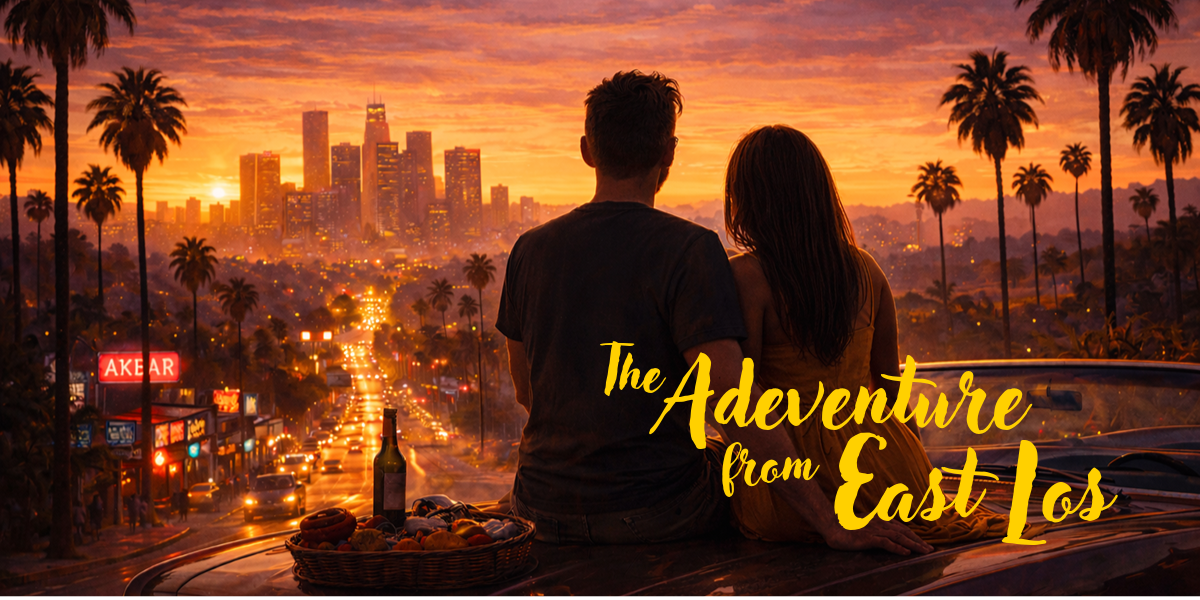
  • The Adventure from East Los

    The Adventure from East Los

    Every once in a while something small pulls the past forward.

    A piece of music drifting through a room, the smell of warm pavement after a long hot day, the way the city lights start to glow when evening settles in. Suddenly the years fall away and I find myself back inside those early Los Angeles days, when everything felt new and wide open and a little reckless in the best possible ways.

    Almost 20 years ago, that chapter of my life was just beginning, though I didn’t know how important it would become. Looking back now I can see clearly that she stood right there at the beginning of it all. Not guiding me exactly, not shaping things deliberately, but simply by being who she was and letting me step into her world for a minute or two.

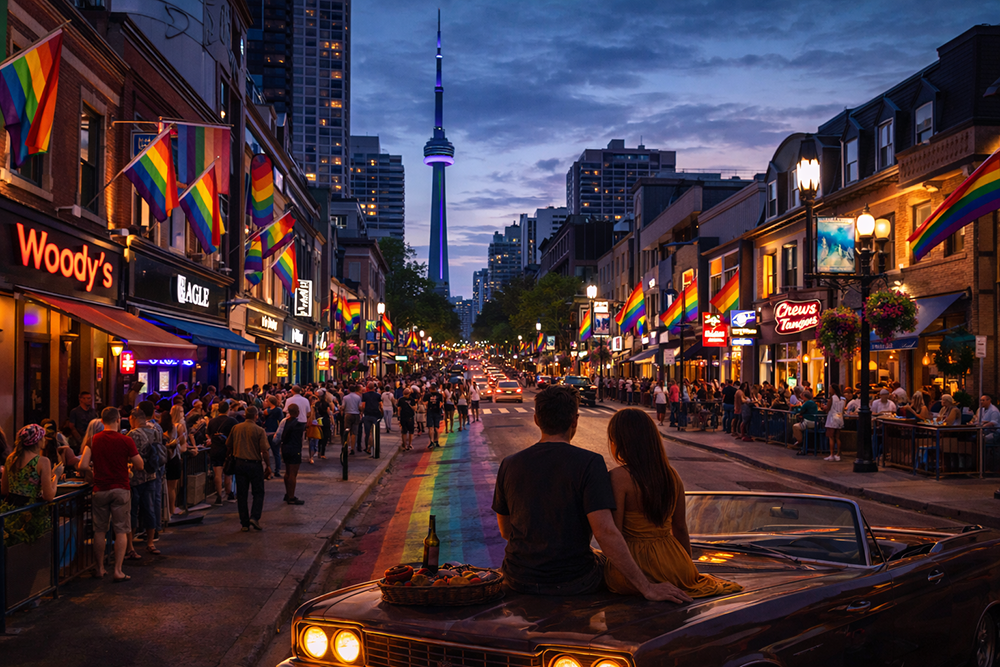
    When this story begins I was still living in Toronto. A life that held a rhythm I was familiar with. Church Street, the bars, faces I recognized in a crown, the comfort of living inside a community where people see you before you even walk through the door. It was easy to exist in that world because it already understood me.

    But somewhere in the back of my mind Los Angeles had always been calling.

    Sure, I had visited a few times before, and every time I left I carried the feeling that the city was unfinished business for me. It seemed bigger than logic, louder than reason, full of energy and contradictions that didn’t quite exist anywhere else. I didn’t know when I would move there yet, but I knew eventually I would.

    So while I was still living in Toronto I started reaching out. I was looking for connections friends, something…

    Craigslist was one of those strange early meeting grounds where people looked for such connection s. Friends, dates, conversations, whatever it was. That’s when I saw her. Her photos stopped me.

    There was something in her smile that felt alive, a spark that seemed to reach right through the screen. She was beautiful of course, with that soft caramel skin and an easy confidence in the way she held herself. What caught me more than anything was how natural she looked ad how easily our conversations started.

    We started messaging. Casual conversation at first, getting to know the outlines of each other’s lives. Where we lived, what kind of music we liked, the small details that slowly form a picture of a person in your mind. There was an ease to it from the beginning. No pressure, no expectation.

    That February I traveled to Los Angeles for work and we decided to meet. I was staying on Hollywood Blvd attending a conference at the Roosevelt Hotel. The plan was to meet up on a night I did not have to work.

    She picked me up at the hotel and we headed to Akbar, a well-known queer neighbourhood bar located in the Silver Lake area of Los Angeles. Imagine a newbie who had loved Los Angeles in a club at the intersection of Fountain and Sunset It felt like stepping directly into the pulse of the city. Music carried through the room in steady waves while people gathered shoulder to shoulder at the bar, conversations overlapping and laughter rising above everything.

    Friends came over immediately, leaning in to hug her, picking up conversations like they had only paused earlier in the evening. Watching her move through that space made it obvious this was part of her world. All the while I stood beside her taking everything in.

    Being in a queer bar in Los Angeles had a different feeling than the ones I knew in Toronto. The room felt loose and open, like people had come there simply to exist without explanation. And I was there with a woman I was deeply attracted to.

    I found myself watching her more than anything else. The way she ordered drinks, the way she laughed, the way people leaned toward her when she spoke. I was mesmerized.

    The patio felt almost like a small garden tucked behind the bar, enclosed but open enough to breathe. Soft market lights hung overhead, just bright enough to see faces clearly while still keeping the mood relaxed. Conversations drifted through the air while people gathered around small tables.

    I mingled where conversations opened up, though I’ve always been more of a watcher than a talker in rooms like that. Observing people, studying the way they interact, has always been more interesting to me than dominating the moment.

    But my attention kept returning to her. By the end of the night I was smitten. It was clear to me, she was not.And that was perfectly fine. There were no expectations attached to that night. The attraction simply existed between us without pressure.

    Two days later, I returned to Toronto, though I knew something had shifted. My dreams to be in Los Angeles now had a face. My yearning to move to LA intensified.

    My first weekend there I was still living in a hotel while figuring things out. The city felt enormous and chaotic and fascinating all at once. So I reached out to her and she said she would come and get me and we would go out.

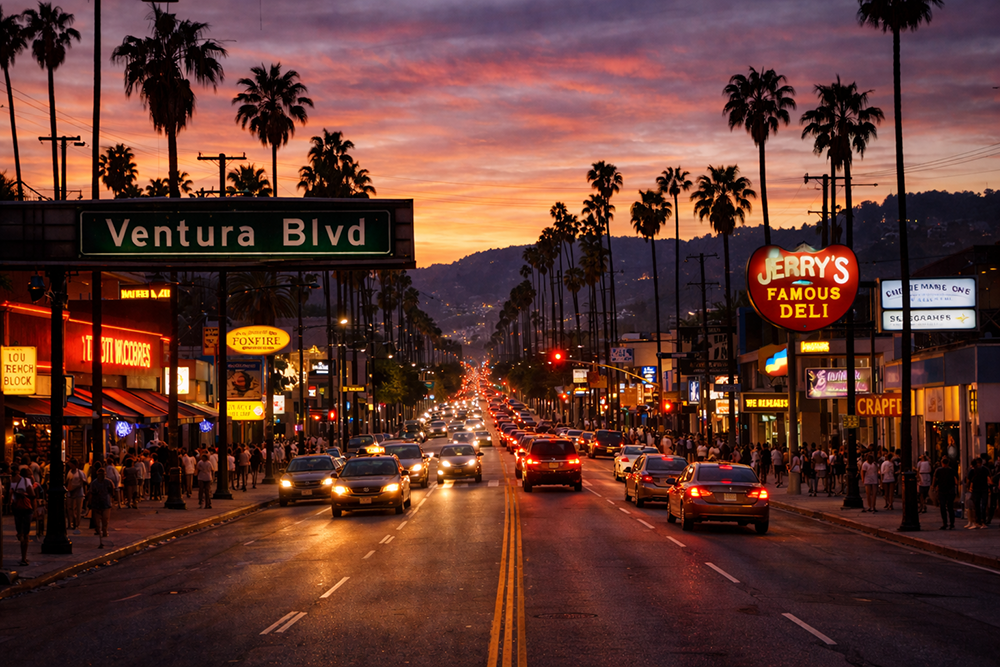
    She arrived at my hotel on the first Sunday there and we headed to Ventura Blvd to find a place to eat.

    We had dinner at a small French restaurant that felt warm and intimate, candlelight reflecting off glasses while quiet conversation moved between tables. Sitting there across from her felt surreal in a way that only new beginnings can feel.

    At one point I looked across the room and recognized someone famous. It was the actor, Brendon Beemer, now playing Sean Douglas on Days of Our Lives. My first LA star sighting. Though I kept that to myself. I did not want her to know I watched soap operas.

    It was a small moment but it made something click in my mind. In Los Angeles the world of television and everyday life overlap constantly. Star sightings were something everybody had.

    After dinner she took me somewhere darker. A queer bar further south on Ventura, I cant remember its name, but she said it only opened on Sunday nights. Tucked away from the obvious nightlife, the lighting was low, the atmosphere almost gothic, very few bodies, mostly men.

    That was my second star sighting. There in one corner were Joan Jett and Carmen Electra. Not performing, not drawing attention. Just two people wrapped up in each other. Two unlikely stars disappearing into a dark room far away from Hollywood’s glare.

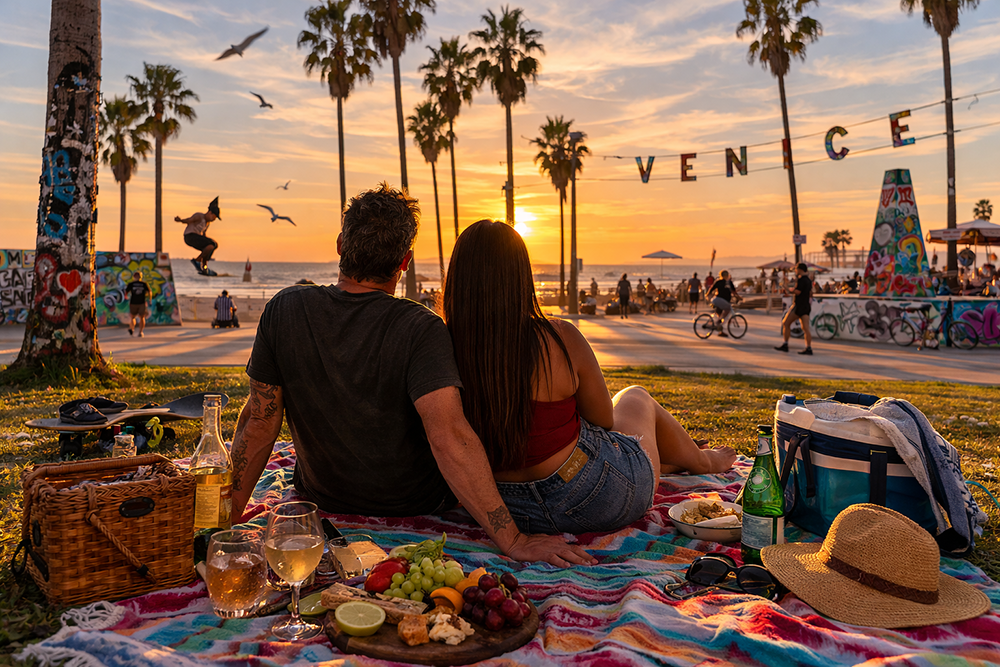
    The next weekend we had another date. We planned a picnic at Venice on Venice Beach. She brought heirloom tomatoes and I got the wine.

    We spread a blanket on the sand as the sun slipped below the horizon and the waves rolled steadily toward the shore. The air cooled while stars slowly began appearing overhead. We sat there talking for hours before heading back to her apartment in Boyle Heights.

    Getting to know the basics of each other’s lives. Sharing food, stories, small pieces of who we were. For me it felt like time slowed down around us.

    Our time together became increasingly adventurous. We planned an IKEA trip for a creative mission conjured up in pillow talk and emails. When the days came to go shopping, we were walking through the aisles looking for objects that might become part of whatever experiment we imagined. Thin wicker sticks, fabrics, containers, anything that sparked ideas.

    This became our challenge after on weekends that followed. Art stores, seedy hotels in other cities in SoCal. We discovered our connection through canvas, paint and Brushes. Alcohol was usually involved.

    Back in her Boyle Heights apartment those materials often ended up spread across the floor or bed. I would paint her body while she rolled across the canvas, leaving streaks of colour behind. It was messy and playful and full of laughter.

    Vegas came early in the story, Inspired spontaneously after we visited a strip club in LA and found ourselves unimpressed. Too many rules, too much distance between performers and audience. The whole thing felt oddly sterile. I guess these were the rules. Rules we rejected.

    Somewhere in the conversation while sitting at the table in the club someone said, “this would be better in Vegas”. And that was enough. Next thing I knew we were driving through the desert late at night towards Vegas.

    Vegas reveals itself slowly when you approach it from the highway, first you pass through Primm, the first sign of the energy. A distant glow of the lights grows down the highway and then suddenly becomes a full explosion of neon and light

    Inside the casinos the sound never stops. Slot machines ringing constantly, voices rising and falling, the chaos of people winning and losing all around you.

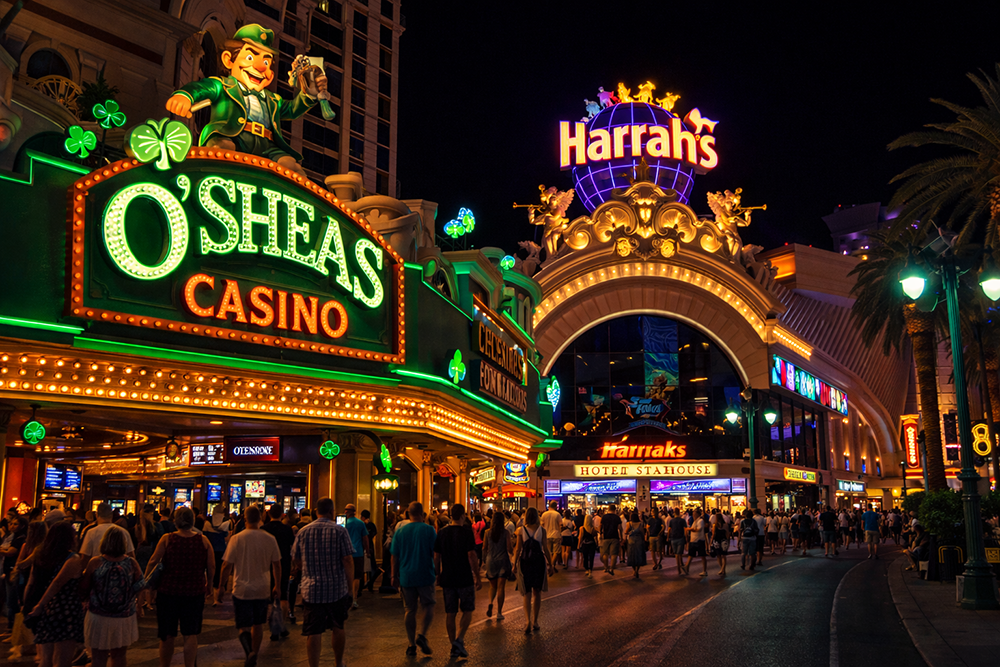
    We wandered through Harrah’s laughing, playing roulette, watching the energy of the tables. We eventually made our way to O’Sheas, a smaller casino located mear Harrah’s where we were staying.

    That was a fun night. At one point we joked that we were newlyweds. Just married. Playing the part fully Holding hands at the tables, leaning into the story for the fun of it. By the time we left we had enough money for breakfast and the kind of memory that only comes from spontaneous decisions made in the middle of the night.

    Those nights opened something inside me creatively.

    Eventually she moved from Boyle Heights to Highland Park. I spent one weekend helping her move items from the old place to the new. We carried items down the stairs of the Boyle Heights apartment, loaded them into her silver Ford Echo, and drove back and forth a few times from Boyle Heights on the I-5 North (Golden State Freeway), then to the CA-110 North (Arroyo Seco Parkway) towards Pasadena, exiting at Avenue 60. The trip generally takes about 15–25 minutes depending on traffic.

    Her new place was a small back house cottage tucked behind the main house. Quiet. cozy, slightly hidden with a quaint little yard.

    I found myself driving from North Hollywood Highland Park frequently. This usually involved taking the freeway through the Cahuenga Pass (101 or 170) before transitioning to local streets, avoiding traffic congestion near Hollywood or Downtown. 

    Other nights though less adventurous were still incredible for me. Driving around Los Angeles to find places to explore. was part of our thing. Steak dinner’s at Ruths Chris, in Pasadena or Sushi in the valley, and just exploring. I was amazed she was so willing to get out with me with me week after week.

    Driving around Los Angeles became one of my favourite parts of those moments with her. Learning the freeways. Yes Freeways not highways. The 101. The 110. The 5.The 405. Highland Park to North Hollywood to Ventura Boulevard and everywhere iwe could discover together n between.

    I spent a lot of those drives sitting in the passenger seat taking everything in with wide-eyed wonderment, probably looking a little dorky just staring out the window in awe, but I did not care. I was fascinated.

    Big Bear brought another kind of memory.

    The cabin had a fireplace that filled the room with warm, sensual light. We spent time on the floor in front of it while the glow of the fire moved across the walls.

    At one point we stepped outside briefly, laughing at the absurdity of standing naked in bear country.

    The photographs from that weekend remain some of my favorites. Some sensual and erotic. Others simple portraits. Her standing comfortably in warm light, completely at ease in front of the camera.

    Looking back now what stands out isn’t just the places we went or the strange adventures that unfolded so easily back then. It’s the way those experiences slowly shaped how I moved through Los Angeles afterward.

    She had already built a rhythm inside that city long before I arrived, and somehow I found myself stepping into it, learning its pace through her eyes, adopting part of those spaces and places for myself.

    Through her I learned to wander instead of rush, to explore without needing a destination, to let the city reveal itself slowly rather than trying to force it open. That is how LA became home.

    The creative chaos we shared opened something in me as well. Those messy evenings with canvas on the floor, paint everywhere, music playing while we experimented and laughed, drinking a little too much and creating playful moments. They were the beginning of understanding that creativity and intimacy could exist in the same space without rules.

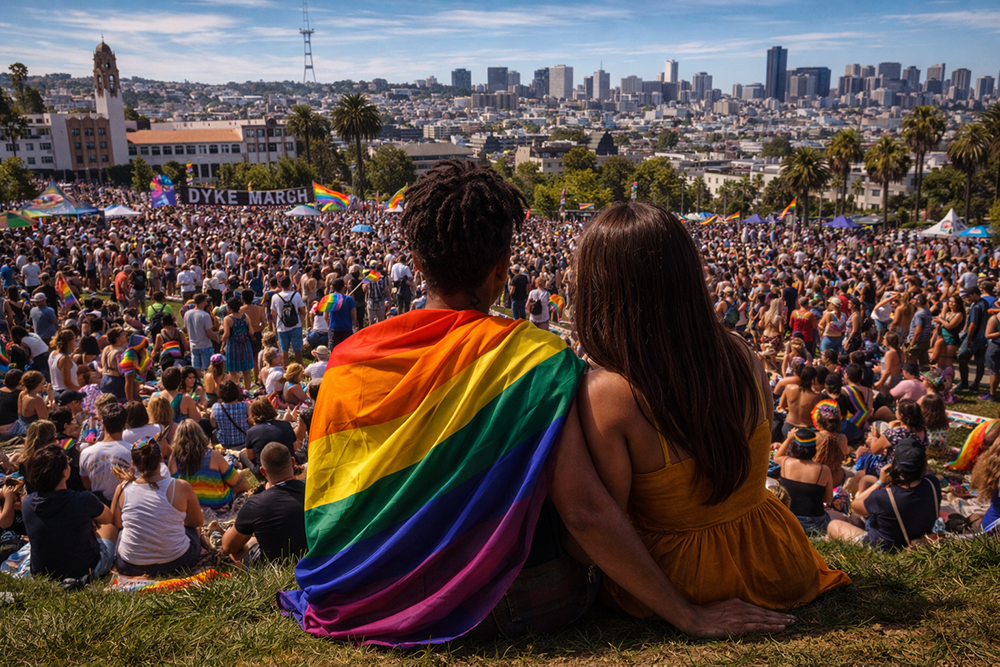
    She took me to San Francisco pride for my first time. Up until them the only prides I had been to were in Toronto. both Toronto and San Francisco hosted massive, world-renowned Pride celebrations, but they differed in scale and focus. SF Pride was a premier US political hub with over 1 million attendees, emphasizing activist roots, while Toronto Pride was rapidly growing into one of the world’s largest, known for its massive, multi-day, carnival-like street party.

    Exploring the Haight-Ashbury history, Delores park where the edibles were sold like popcorn by hippies wondering Delores park on dyke day! We walked the Castro looking for breakfast the next day hungover from the love fest and all the alcohol.

    Somewhere along the way the intensity softened and the relationship changed shape. What remained were the memories of that beginning.

    Looking back now, what stays with me isn’t the individual moments themselves so much as the feeling of being pulled into a world that was already in motion. She moved through that city with an ease I didn’t yet have, and somewhere along the way I found myself learning its rhythm beside her.

    It felt like being invited behind the curtain of something vast and unpredictable, a place that could be wild one night and quietly beautiful the next. I arrived wide-eyed, taking everything in, letting the city reveal itself slowly instead of trying to understand it all at once.

    There was a kind of magic in those early days, the sort that only happens when you step into a place without expectations and someone is there to open the door just enough for you to see what’s possible. I didn’t realize it then, but she was giving me a way into Los Angeles that felt natural, unscripted, and completely alive.

    For someone just beginning to find their footing in that city, it could not have been a more perfect way to get my feet wet.

    That was the adventure from East Los.

  • Island Life Without a Tribe

    Island Life Without a Tribe

    The Emptiness of Not Connecting

    There’s a kind of isolation that doesn’t come from being alone — it comes from being somewhere you chose, living a life you worked for, and still feeling like you’re standing just outside the firelight.

    It’s not dramatic. It’s not cinematic. It’s quieter, heavier, more personal.

    It’s waking up in paradise and wondering why your soul feels like it’s sitting one seat away from the table.

    The sun hits the ocean right. Salt on skin feels familiar. The wind carries laughter, engines, music from passing golf carts. Life here is alive.

    And yet there’s a part of me hovering — almost like my spirit hasn’t fully landed where my body is.

    That’s where I am.

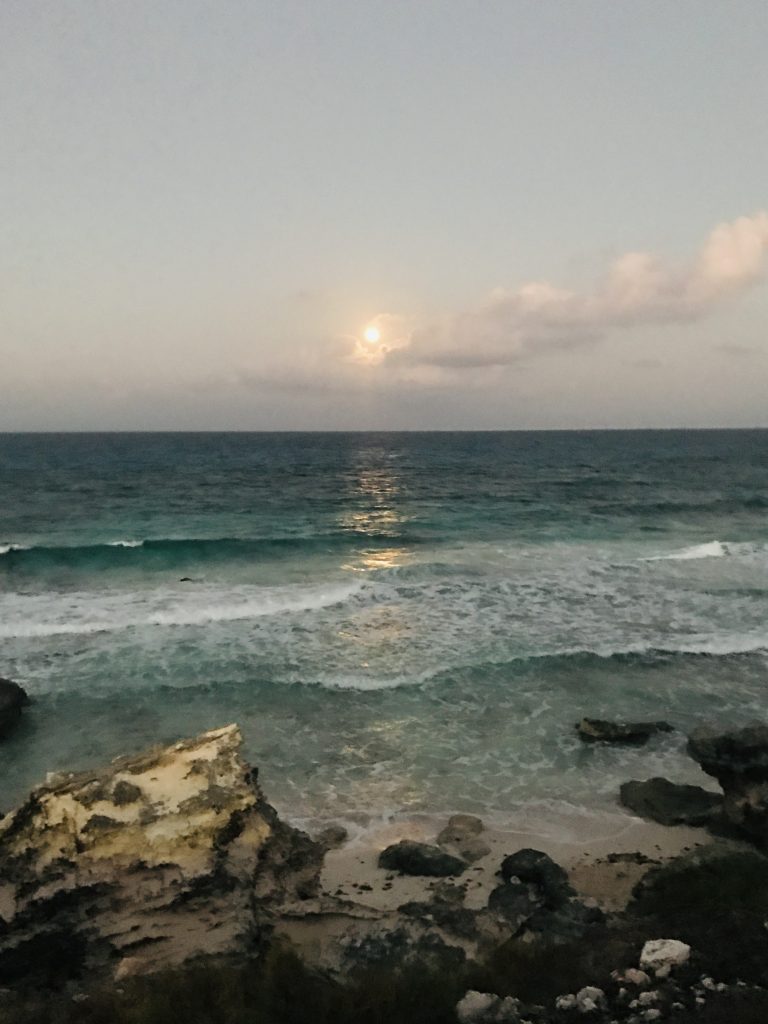
    I’m on a Caribbean island. Warm water, trade winds, sunsets most people would pay to see once in their life. A place that should be connection-rich, community-forward, magnetic and alive.

    And I’m grateful — I truly am. I know beauty when I see it. I know privilege when I live it. Yet here I am… feeling more disconnected than I ever have.

    Not lonely because I don’t like people. Not isolated because I shut myself off. But because somewhere along the road — I stopped fitting into the world the way I used to. It feels like nobody wants to be my friend.

    There’s no moment I can point to. No dramatic pivot. No big loss of identity. It was slower — subtle — like erosion. Like the tide pulling sand from underfoot until the earth beneath you changes shape.

    And the truth is, I don’t know when that happened. But I feel it every single day — in my heart, in my soul.

    I Chose This Distance — and It Still Surprises Me

    The truth is, I’m not a victim of circumstance here. I chose this life.

    I left my tribe — not because I didn’t love them, not because I didn’t want their companionship, but because adventure felt necessary. Growth felt necessary. Freedom called louder than familiarity ever did. From an early age.

    First Toronto to LA. Then LA back to Canada. Then here to Isla.

    Each move a leap. Each chapter a reinvention. Each goodbye a little tear in the fabric, even if I didn’t feel it fully at the time.

    Some relationships held — the lifers, the ones who know my layers. Shannon, Renee, Gina, Shann and Erica.

    Some became friendly digital echoes — Facebook updates and “miss you” messages that keep history alive without ever touching the present.

    And others stayed behind in memory… chapters closed, not bitter, just finished. Life’s just foolish like that.

    I’ve slowly realized that choosing a bigger life sometimes means choosing solitude as well.

    And for the most part, I’ve embraced that and sought out new tribe mates. I like being different. I like that I built my world on my terms.

    But this loneliness? This quiet? This sense of being emotionally unmoored? This territory feels new — and I won’t pretend it doesn’t sting.

    Coming back to Isla after COVID, after the isolation of Toronto’s lockdown still stuck to my bones — heartache imminent on the horizon and grief in my pockets —

    I wanted to fall back into something familiar here. To reconnect with the spark I once felt on this island. Maybe even save the relationship.

    But life doesn’t rewind just because we remember the past fondly. People change. Places shift. Energies evolve.

    Maybe the version of me who fit here before belonged to a world that doesn’t exist anymore — not on this island, and not inside me. Though I clung to it.

    And so I’m learning what it means to choose solitude, only to realise solitude chose me right back.

    That’s the part no one warns you about — that even intention has consequences. Even courage can echo.

    Isolation That Doesn’t Ask Permission

    This wasn’t chosen solitude. I wasn’t seeking stillness. I wasn’t craving quiet. I needed something different — and yet here it is.

    It isn’t dramatic. It isn’t glamorous. It doesn’t feel like the “hero wandering alone” trope.

    It feels like waking up and thinking, I used to know where I fit. I used to feel tethered. What changed?

    It feels like trying — really trying — to connect and realizing intention doesn’t always equal connection.

    It feels like being seen, but not met. A gentle ache, not a wound. An awareness, not despair. A pause, not a collapse. But real nonetheless.

    There’s a humility in admitting that. A soft surrender. Not to defeat — but to truth.

    A Storm No One Saw

    People talk about COVID like a logistics event. Masks. Travel rules. Supply chains. But the real pandemic happened inside people — in the fault lines we didn’t know existed.

    During those early months, my relationship unraveled slowly — not with explosions, but with quiet erosion. A year of dissolving, piece by piece, understanding that love doesn’t always equal longevity.

    There was pain, yes, but also truth in letting go. She never loved me, never wanted our connection — our friendship — the relationship I felt in my heart.

    And then — in the middle of that emotional exhaustion — my brother passed away.

    Not a distant loss. Not a chapter you can close politely. A loss that leaves you feeling more alone despite the complicated lack of knowing each other deeply.

    I carried those losses into everything that came next. Living here, what I wanted for my life, and how my heart shut down.

    There is a version of grief where you don’t collapse — you keep moving because stillness is too sharp.

    You build. You distract. You plan. You try to outpace the ache. Grief waits. It always does.

    And when borders opened and flights resumed and I stepped back onto Isla, I didn’t just arrive with luggage —

    I arrived with heartbreak and absence stitched into my bones. I thought the ocean would hold me. I thought sunlight could knit me back together. I thought the place that once felt right would feel right again. I thought I’d find her again and she would save me.

    I was wrong.

    Grief doesn’t obey geography. And belonging doesn’t always come back just because we remember it fondly.

    Some pain follows you. Some lessons unpack slowly.

    Some seasons don’t end where you expect them to.

    The Return That Didn’t Click

    I expected to reconnect with the rhythm I once had here. To fall back into easy friendships, new creative energy, conversations that felt like possibility.

    Instead, I walked back into a familiar room where all the furniture had been moved. Same walls, same sky, same ocean. Different frequency….

    The island didn’t reject me. But it didn’t catch me either.

    There’s a particular ache in being somewhere beautiful and feeling a step removed from it. Not ungrateful — just unanchored. Not unhappy — just unheld.

    I tried. I showed up. I invited, reached out, joined in, stepped forward.

    I didn’t hide. I didn’t isolate. Connection just… didn’t land. The energy that once found me here didn’t recognize me this time. Or maybe I didn’t recognize myself enough to be found.

    Sometimes we outgrow spaces before we realize we’ve evolved.

    The Work Is Still Here, Even If the Noise Isn’t

    Here’s the thing — I haven’t stopped working. I won’t. I’ve just shifted focus.

    I’m building: ShiverMedia. Salty Blue. My personal brand. Projects. Templates. Content. Helping Tammy build her platform. Client work when it comes. New systems. New strategies.

    Foundation work. Deep work. Work people don’t see until it blooms. I don’t resist effort. Effort built me. Discipline never intimidated me — silence does.

    Because work fills time, but connection fuels spirit. And right now, the work is happening — but the world around it feels thin. That’s not failure. That’s… in-between.

    The season where seeds grow roots before they break the surface. The quiet phase. The internal muscle building before momentum arrives.

    Distance in Love, Distance in Life

    Two years ago, I met Tammy, from Indiana, travels regularly to a Isla. Tammy live currently in Vegas.

    Life placed her there — responsibility, family, health, timing. Not conflict — circumstance. Loss. Duty.

    We are solid. We are committed. We are building in parallel. But distance changes the sound of days.

    When your life already feels a bit unanchored, being physically apart from the person who sees you most clearly sharpens the quiet.

    Love holds. But distance leaves room. And the room echoes.Not doubt — just longing. Stretched across time, flight routes, and ocean. I don’t resent it. I just feel it.

    Maybe this island was meant to be a sacred pause — a place to grieve, to shed, to face truth, and then to launch toward the next horizon.

    Sometimes stillness is not stagnation — it’s alignment gathering strength.

    When Solitude Stops Feeling Like Strength

    I’m good alone — Solo Sam, always have been. I don’t need crowds or chaos or constant stimulation. I don’t chase noise.

    But this isn’t chosen quiet — it’s quiet that lingers even when I reach for connection.

    I’ve tried here. I’ve opened doors. I’ve said yes when I didn’t feel like it. I’ve shown up.

    Yet connection… floats. Conversation lands politely but not deeply. People are kind; sometimes they feel performative — but ultimately, the fit simply isn’t here.

    It’s like tuning a radio station that’s a half-second off the rhythm of your heartbeat.

    And acknowledging that stings as much as it steadies me.

    It’s not that I can’t belong. It’s that I won’t force belonging where resonance doesn’t live.

    When Life Isn’t Aligned, It Lets You Know

    I’ve lived long enough to know this: When I’m not on the right path, life resists. Not violently. Not as punishment. Just subtly, steadily — slightly off-axis.

    Momentum stalls. Opportunities slip by. Energy drains. Even small tasks feel uphill.

    Confidence flickers in ways it never did before.

    That’s where I am — not broken, just out of sync with the life that fits me best.

    This isn’t weakness. It’s awareness. 

    I am not fully where I’m meant to be — yet.

    And when I’m off-path, I feel it in my bones. The world becomes friction instead of flow.

    That’s why the search for work has been harder — not because I don’t have value or skill or drive, but because the right fit hasn’t appeared. I refuse to contort myself into misalignment just to ease discomfort.

    Same with love.

    No doubt, no regret — just the ache of knowing we belong together, just not like this, not here, not yet.

    We aren’t broken.

    We’re waiting for the right door to open — and building until it does.

    I don’t force belonging — not in geography, not in career, not in love.

    Out of sorts doesn’t mean off track — it means recalibrating.

    This season isn’t collapse.

    It’s compass-work.

    The uncomfortable clarity that comes before the shift.

    And when truth arrives, I don’t ignore it — I move.


    Quiet Resolve

    This isn’t a goodbye letter to the island. Though I am seeking other destinations, there is no resentment or regret. Just truth.

    I expected belonging. Instead, I found introspection. TAnd maybe that’s exactly what this chapter needed to be.

    I’m here. I’m breathing ocean air. I’m working. I’m healing. I’m relearning myself after grief, disruption, and loss.

    And when the tide turns — whether here or elsewhere — I’ll move with it.

    Not out of desperation, but alignment.

    Because I trust myself. I trust the seasons. I trust truth. And I trust the ocean enough to know: the tide always returns something.

    Until then — I will stand where I am, grounded and honest, eyes on the horizon, heart open, work steady, and spirit intact.

    Trust in the tide while I find my bearings and my tribe.

  • Hate is an Ugly Thing

    Hate is an Ugly Thing

    By Someone Who’s Had Enough of It

    I. The Ugliness of Hate

    Hate isn’t just loud. It’s corrosive. It latches on to the fearful, the insecure, the lazy-minded, and festers until it becomes part of their identity. It’s not born out of righteousness. It’s born out of weakness—a desperate scramble for superiority in a world where their relevance feels threatened.

    I’ve experienced hate as a gender queer member of the LGBTQ+ community. Not for anything I’ve done, but for who I am. For existing outside of someone else’s fragile definition of “normal.” This is not a sob story. It’s a statement of fact. Sadly, Im not the only one and it’s far from the first or the last time.

    hate is ugly

    This time, the hate has a face. A name. A social media account. A man clinging to his bitterness like a shield, lobbing lies and slurs my way to make sense of his own failure as a human being.

    But zoom out—and you see this isn’t about him. It’s about the world we’ve built that lets people like him thrive. Loud, hateful people are getting elected, applauded, and platformed. And while they rant about morals and freedom, they actively work to dismantle both while dehumanizing those they hate so much.


    II. One Example in a Long Line

    The man I’m referencing doesn’t know me. He never has. We’ve never shared a meal, never had a conversation, never exchanged anything real. Never met! And yet, I’ve become a character in his personal fiction—a villain that helps explain why his life isn’t where he wants it to be.

    He throws slurs at my identity, my appearance, my ethics—none of which he understands. None of which are any of his business. What little he does know is filtered through the lens of resentment and ego. His narrative isn’t truth; it’s a weapon.

    This isn’t the first time I’ve been someone else’s scapegoat. When you live openly, unapologetically—gender queer, tattooed, liberal, independent—you become a target. That’s the truth. The more visible you are, the more vulnerable you are to people who hate what they don’t understand.


    III. Hate Isn’t New—But It’s Louder Now

    There’s something different about today’s hate, though. It’s louder. Bolder. Less ashamed. Once whispered in private, it’s now screamed on social media, into school boards, at Pride parades, and through legislation.

    We live in a time where truth is optional, but outrage is mandatory.

    People with no real education or experience in public policy are getting elected because they’re “angry like us.” They don’t campaign on solutions. They campaign on enemies. And people cheer.

    Once “We the People” meant collective responsibility. Now it’s devolved into “Me the Electee”—a new breed of politician that governs with revenge, not representation. They’re not civil servants. They’re petty kings, ruling over social media empires and local town halls with cruelty disguised as conviction.


    IV. When Hate Is on the Ballot

    When people vote based on who they hate rather than who they hope for, democracy suffers. We see it in the banning of books, the rollback of rights, the silencing of teachers, journalists, doctors and the way the media clings to views/sensationalism. We see it in states where healthcare is denied based on gender identity, where protesting is criminalized but bigotry is cheered

    We see it when grown adults obsess over children’s chosen pronouns but ignore their access to food or safety. When political campaigns run on ignoring climate change, demonizing immigrants, queer kids, and public workers while handing tax cuts to corporations that underpay/outsorce workers.

    Hate isn’t just ugly. It’s policy now.

    who is on the ballot

    And the architects of that hate—men like the one attacking me—don’t feel shame. They feel empowered. Because we’ve stopped rewarding empathy and started electing resentment. The problem lies with the voter. They can chose or not chose hate.


    V. The Cost of Being Different

    To be different in this world is to be seen as a threat. Not because you are—but because your existence forces others to confront their smallness.

    When you are queer, or Black, or trans, or immigrant, or poor, or follow a different spititual belief—or any combination of the above—your body becomes a battleground for someone else’s insecurities.

    You get questioned, policed, misgendered, harassed, fired, in some instances, even killed—not for doing something wrong, but for being “other.”

    I’ve lived it. I’ve felt the subtle slights and the blatant insults. I’ve been the target of online comments and whispered rumors. I’ve had my work dismissed, my character attacked, my humanity debated.

    And yet, I’m still here. Still creating. Still loving. Still building something real. Because I and all others who are the targets of hate, we have the exact same rights as you. We are all equal.


    VI. A Culture of Excuses

    The man harassing me isn’t alone. He’s just one of many. A symptom, not the disease.

    We’ve created a culture where people are more comfortable excusing their failures by blaming others than owning their choices. It’s easier to say “the world’s gone woke” than it is to say “I didn’t do the work.” It’s easier to blame immigrants than to ask why healthcare is so expensive. Easier to scapegoat trans kids than to admit the education system is underfunded.

    The lie is easier than the truth when the truth requires effort.

    And so people fall into tribes. MAGA hats become armour. Conspiracy theories become gospel. And empathy? Empathy becomes weakness.

    But here’s the thing—“woke” is not the insult they think it is. If being woke means being aware that injustice exists and caring enough to want it to change, why is that bad? Since when did paying attention to suffering become something to sneer at? Isn’t the whole point of community—of humanity—to look out for each other?

    The same people throwing “woke” around as a slur often claim to be good Christians. Yet wasn’t it Jesus who said, love thy neighbour? Who taught compassion, humility, and kindness as cornerstones of faith? How does mocking the vulnerable, cutting social programs, or demonizing entire groups of people fit with treat others as you wish to be treated?

    The hypocrisy is staggering. Helping others isn’t weakness; it’s strength. Empathy isn’t some liberal agenda—it’s supposed to be a human instinct. But somewhere along the way, caring got rebranded as weakness, and cruelty got mistaken for honesty.

    And that’s the real sickness. Not just the hate, but the pride people take in wearing it like a badge.


    VII. The Quiet Resistance

    Gratefully, for all the noise, the hate, the lies—there are still people quietly building a better world.

    resistance

    Teachers who risk their jobs to support LGBTQ+ kids. Nurses who care for every patient regardless of politics. Artists, creators, organizers, thinkers—those who refuse to let cruelty define us.

    And it’s not just individuals working in quiet corners. There are entire movements and leaders dedicating their lives to pushing back against hate.

    • The Southern Poverty Law Center (splcenter.org) tracks and exposes hate groups while advocating for civil rights across the U.S.
    • The Trevor Project (thetrevorproject.org) provides crisis support and suicide prevention for LGBTQ+ youth, often becoming literally life-saving.
    • The Human Rights Campaign (hrc.org) fights discriminatory legislation and pushes for equality in workplaces, schools, and communities.

    In Canada:

    • Egale Canada (egale.ca) works globally and nationally to improve lives of LGBTQI2S people, running initiatives like youth shelters, legal challenges against harmful policies, and school education programs 
    • Canadian Anti-Hate Network (antihate.ca) monitors hate and far‑right groups, provides resources to law enforcement and media, and is rated high for factual reporting and credibility  .

    Public figures choosing integrity over applause:

    • Vice President Kamala Harris (kamalaharris.org) uses her platform to defend voting rights, reproductive rights, and marginalized communities—often at personal political risk.
    • Rachel Maddow (msnbc.com/rachel-maddow-show) pursues fact-based journalism, resisting division-driven media trends.
    • Jagmeet Singh (ndp.ca/jagmeet), leader of Canada’s NDP, speaks out against racism, Islamophobia, and inequality.
    • Geraldine Charette, co-founder of Black Lives Matter Toronto, advocates for systemic reform and racial justice.

    These organizations and leaders are firmly committed to equality, justice, and inclusion. They operate transparently, have strong public track records, and are focused on broad human rights—not narrow causes or divisive rhetoric. No credible ties to extremist or nefarious agendas were found in reliable sources during vetting.

    We don’t always make headlines. We don’t always win. But we endure. We stay human in a world that begs us to dehumanize each other.

    We choose facts over fiction. Connection over chaos. Truth over tribalism.

    Because the alternative—the one chosen by those who fuel hate—is nothing but rot. Choosing to attack, demean, and devalue others doesn’t just show ugliness; it spreads it. It poisons communities, erodes trust, and leaves nothing but bitterness in its wake. Every time someone spits a slur instead of offering understanding, every time they lash out instead of listening, they are part of the very thing they claim to despise.

    So yes, we choose to live fully, even when others try to reduce us to a slur. Because to do otherwise would be to let them win. And the world is still full of people willing to fight for better, even if they don’t always shout about it.


    VIII. A Final Word to the Haters

    To the man who thinks his words will break me: they won’t. Others before have tried and failed.

    To the system that rewards cruelty: I see you. We all see you.

    To anyone reading this and nodding in silence because you, too, have been targeted just for existing—I’m with you. May others are with you. Stand strong. Hate cant win.

    And to those who keep showing up, who fight for equality, peace, and love when it would be easier to stay quiet—I stand with you. To the teachers who protect every child, no matter who they are. To the nurses who treat everyone with dignity. To the activists who march, the lawyers who defend, the journalists who tell the truth, and the neighbours who simply choose kindness—you are proof that humanity isn’t lost.

    This isn’t about being the bigger person. It’s about being the real one. The whole one. The one who doesn’t need to invent enemies to feel valid.

    I’m not a victim. I’m a mirror. And what you see in me that you hate—that’s your own reflection, not mine.

    You can lie, scream, and posture all you want. However, HATE IS AN UGLY THING. And no matter how loudly you wear it, it will never make you beautiful.

    Here’s to everyone who refuses to wear it at all. Here’s to those who keep choosing empathy, truth, and love even when it’s hard. You are the future, and you are what’s worth fighting for.

    Sources

    ✅ Egale Canada
    • Canada’s leading 2SLGBTQI advocacy group, involved in research, legal challenges, education, and supporting LGBTQ+ youth safety—recently pulled participation from U.S. events due to anti-trans policies  .
    • Recognized by Charity Intelligence Canada; while spending transparency is rated average, their scope and longevity affirm legitimacy  .

    ✅ Canadian Anti‑Hate Network
    • Founded in 2018, non-partisan, antifascist nonprofit; surveys and reports on hate groups, supports law enforcement and educators  .
    • Rated “High” for factual reporting, no failed fact checks in 5 years  .

    ✅ Jagmeet Singh
     — Leader of Canada’s NDP
    • Globally recognized for confronting racism and Islamophobia; called Canada’s recent London, ON attack “our Canada” and proclaimed “We don’t need that kind of racism in Canada”  .
    • Announced federal NDP plans to combat hate and increase measures against Islamophobia and racism  .

    ✅ Geraldine Charette, BLM Toronto
    • Co-founded Black Lives Matter Toronto; long-standing advocacy for systemic reform and racial justice in Canada (I couldn’t find a direct media profile, but her public work as illustrator and activist confirms her credibility) ().

  • This Isn’t How I Thought It Would Be

    This Isn’t How I Thought It Would Be

    This isn’t the version of my life I imagined I’d be writing about.

    Not at this age. Not after everything I’ve learned, everything I’ve done.

    But here we are—at the backline of midlife, neck-deep in a career pivot with a wallet that’s lighter than it should be, a heart still full of fire, and a head that won’t stop asking:

    “Why the hell is this so hard?”

    Let’s just call it what it is: rebuilding a life, a career, a lifetime of experience—after spending years doing work that I was good at but not always proud of—is complicated.

    I’m not new to this game. I’ve helped companies rake in more than six figures a day. I’ve built email programs that converted cold leads into memberships faster than most people could write a subject line. I’ve seen the inside of success. I’ve tasted it. I’ve run with it.

    And I’ve also attempted to walk away from it. Always returning for the ALMIGHTY DOLLAR

    The Industry I Left Behind

    Here’s the truth, and I’m not here to sugar-coat it:

    I built my skill set, developed my experience in the online adult industry at one of the companiesthat pioneered affiliate marketing programs and online processing for credit cards. I was behind the screen—running marketing and affiliate programs, dialing in email sequences, and making numbers move.

    I made my name with a product called Psychicrealm—over 30 paid conversions a day from cold traffic. That landed me the opportunity to take over Naughty Mail, an email product the company had just bought. That’s where I really learned the craft—building high-volume, high-conversion email systems that made $150k a month for one product alone.

    I’m proud of the work I did, but not proud of the industry I did it in. That tension sat in my gut for years. I knew I had the skills. I just didn’t want to keep using them for someone else’s bottom line—especially when the product wasn’t something I could stand behind.

    The Pull to Do Something of My Own

    That’s been the throughline for years.
    That ache to build something real. Something mine.

    And if I’m honest, the first time I really followed that pull was when I started a project called Sliding Glass.

    SlidingGlass.com

    I didn’t know what I was doing technically—I just grabbed a camera and went. I shot surf, I shot wakeboarding, I followed my instincts. I’m a water sports junky and a rock and roll junky, and that project brought both together in a way that made me feel completely alive.

    The content I created. The relationships I built.
    That was mine. And I was so damn proud of it.

    Sliding Glass was a moment of clarity—proof that I could build something I believed in. That I could tell stories that mattered to me. That I didn’t need anyone’s permission to just start.

    The Moment I Almost Jumped—and Didn’t

    In January 2023, I was in Playa del Carmen. I’d just been let go—three months earlier than planned. It should have been the moment I went all in.

    I took a trip to El Cuyo, sat with it all, and knew I had the means to make the leap.

    And then I didn’t.

    Not fully. I told myself I would. But instead, I floated. I enjoyed the freedom. Maybe a little too much.

    But that moment planted something. And slowly, it grew into what I’m building now.

    Building Something Real (Across Three Brands)

    I didn’t just want ShiverMedia, the agency.
    I realized I’ve always needed more than just a single lane.

    So I started building three distinct spaces:
    • ShiverMedia – digital marketing and design, grounded in strategy and storytelling for small businesses
    • SamiMartin – personal brand: stories, wellness, growth, midlife pivots in the backline, and saltwater truths
    • Salty Blue Mexico – documenting ocean adventures, reef conservation, travel stories rooted in place and purpose

    These brands let me bring all of me to the table—creative, strategic, personal, and passionate. Each one fuels the work I actually want to do. Not just for income, but for impact.

    What I’m Doing Now (And What Lights Me Up)

    These days, I’m offering what I know how to do best:
    • Brand development and logo design
    • Email marketing and lifecycle campaigns
    • Social media strategy and content planning
    • Real estate photo and video here on the island
    • Teaching tools and digital downloads
    • AI prompting and visual content creation—because I’ve always stayed ahead of the tech

    And for the first time in a long time, I feel like I’m doing work that matters.

    The Puerta al Cielo shoot? Climbing up to shoot a rooftop trampoline install? That’s the stuff I live for.
    Planning and executing the Izla Hotel content strategy? Right in my flow.
    Branding work and storytelling with Turquoise Tides Travel? Deeply fulfilling.

    Even covering the Island Time Music Festival felt like everything I care about—music, visuals, storytelling—colliding in the best way.

    This is the kind of work that makes me feel useful. Grounded. Alive.

    The Brutal Truth: The Money Sucks Right Now

    Let’s be real. I’m in debt.
    One of my anchor clients is on pause.
    I’m living gig to gig, holding my breath, and hoping the tide shifts soon.

    And still—I’ve never been clearer about what I’m here to do.

    I’m grateful for the people who have shown up for me. The ones who’ve reminded me that support doesn’t always come with fanfare—it just shows up.

    Because yeah, it’s hard.
    But I’m not lost.
    I’m just rebuilding slower, with more intention.

    What Giving Up Would Look Like—and Why I’m Not

    There are moments I think about quitting.

    Getting a job that pays just to get out of debt.
    Leaving Mexico.
    Starting over again.

    But quitting has never meant rest to me—it’s always meant regret.
    And I’m not ready to trade my dreams for someone else’s routine.

    I don’t want to be the person who walked away right before it all clicked.
    I’ve done that before.
    I’m not doing it again.

    What Semi-Retirement Looks Like to Me

    I’m not trying to buy a house in the suburbs.
    I’m not chasing six figures for bragging rights.

    Semi-retirement, to me, means this:
    • I’ve paid off the debt
    • I’ve got consistent income from what I’ve built
    • I’m able to travel when I want
    • I’m living in beach towns, working from my laptop
    • I’m documenting surf, reef life, and salty living
    • I’ve got a partner who rides alongside me
    • I feel healthy, strong, free—and finally me

    That’s the plan. And I know it’s possible.

    Success has never been a corner office.
    It’s only ever been a means to an end.

    What Success Looks Like Now

    Success is:
    • Creating with heart
    • Earning from my skills without selling out
    • Supporting myself while doing work I believe in
    • Teaching, mentoring, telling stories that matter
    • Contributing, not just consuming
    • Feeling proud of what I leave behind

    It’s not about the numbers.
    It’s about the alignment.

    backline of midlife success

    ⸻

    Final Word: The Tide Is Turning

    I don’t have it all figured out.
    But I’m still in the water.
    Still paddling.
    Still chasing the set I know is coming.
    This isn’t how I thought it would be.
    But maybe this is the version I needed all along.
    Not polished. Not easy.
    But mine.

  • Starting From Here

    Starting From Here

    The Backline of Midlife

    Some beginnings don’t come with fireworks.
    No declarations.
    No big reveal.

    Just the quiet drag of a box across the floor, the hum of a fan in a new space, and the kind of silence that finally feels like possibility instead of loss.

    This is where I’m starting from.


    Starting From Here

    The Year That Broke Me a Bit

    I spent the last year feeling like I was on the outside of my own life, watching it from somewhere slightly removed.
    Work dried up. Not all at once, but enough to make me question everything I’d built. I’ve always made it work—pieced things together, freelanced, created—but this time was different. The financial stress cracked open everything else: my health, my mindset, my ability to keep pretending I was okay.

    My body followed.
    Weight gain—again.Ive talked about the roller coaster. Its exhausting and my fault.
    Knees giving out. I should have listened to Dr Armstrong so many moons ago. Hockey was hard on my knees.
    Stomach wrecked. Tammy says it’s likely IBS… I just want it to stop
    Eyes are deteriorating, especially the left one with BRVO, like my body was trying to say what I wouldn’t admit: something has to change..


    Backline of Midlife

    This isn’t some victim arc.
    I’ve had incredible accomplishments.
    Graduated in graphic design and advertising back when it meant sketch pads, markers, typesetting by hand.
    I cut my teeth in the early days of the internet—when websites were built line by line, when communities were carved out in forums and chatrooms, before social media ruled the world.

    Payment processing, digital communities, early social platforms, media creation—been there, built that.
    I’ve worked with big clients, hungry startups, small dreamers chasing something real.
    Earned my stripes in the digital trenches when it wasn’t glamorous, just necessary.

    But even with all that under my belt, I’ve often coward in the presence of my own fears.
    I let perfectionism box me in.
    I let pain pull me sideways.
    I let plain old panic shut down the bigger parts of me that wanted to show up in the world.

    Now, at the backline of midlife, I feel the edges of time pressing in.
    Not crushing, but undeniable.
    There are fewer chances left to squander, and I don’t want to waste another one.
    It’s time I got the most from my life.
    Starting from here.


    Leaving the Old Life (and the Old Me)

    I left a senior marketing role in 2015—interim director of marketing, with the steady paycheck, the corporate ladder stretched out before me like a conveyor belt to retirement. I could see exactly where it was all going.
    And I didn’t want any part of it.

    I wanted sun on my skin, salt in my hair, dirt under my nails from building something of my own.
    Not just marketing other people’s stories—but living mine.

    I wasn’t new to travel. I had seen pieces of the world already—London, Amsterdam, Scotland, Mexico.
    Everywhere I went, something stirred.
    A deep, stubborn longing for more.

    When I was in my teens, I dreamed of moving to a small beach town in Mexico.
    I pictured it vividly: a little cabin steps from the ocean, days spent surfing, swimming at dawn, shaping sculptures and creating art under the slow spin of a ceiling fan.
    No internet. No emails. No urgency.
    Just life, raw and real.

    Of course, life doesn’t bend so easily.
    We need money.
    We need structure.
    We get pulled into jobs, into deadlines, into expectations.

    But that dream never really left me.
    And in 2015, when I landed in Isla Mujeres, it felt like maybe, finally, I could build something close to it.

    I thought Isla would be my hub.
    A place to launch more adventures, to travel, to explore, to live light and free.

    But it wasn’t meant to be.
    Life had other plans.

    I fell into a relationship.
    Six years deep, and complicated in every direction.

    It ended in late 2021, maybe early 2022, though honestly, endings like that don’t stick neatly to a calendar.

    The healing wasn’t clean either.
    The loss wasn’t just about someone else—it was the loss of a part of myself I had finally found.

    During those years, I had glimpsed a version of me that was more real than I had ever known.
    I believed in myself, in what I could create, in what I deserved.
    I saw my own strength in ways I never had before.
    When it ended, I didn’t just grieve the relationship—I grieved the clarity it had given me.

    At first, I tried to merge what I had found with who I had always been.
    It was messy, hopeful work.
    I lost nearly 50 pounds.
    I trained, hard.
    I moved my body with purpose again.
    I dug deep.

    I was starting to find a groove—a rhythm that felt like mine.

    a vusion of mt desk

    And then, mid-2023, I met Tammy.
    The woman I share my life with now.

    Tammy didn’t fix anything.

    She didn’t rescue me.
    She simply saw me—fully—and gave me room to stand in my own skin again.
    Flawed, creative, saltwater-wired, and endlessly curious.

    With Tammy, I found permission to be the Sam I had worked so hard to rediscover.

    But even with love in my life, something still wasn’t clicking.

    The rest of my world was out of alignment.

    I was still clocking hours on work that drained me.
    Still hustling for survival instead of reaching for meaning.
    Still waking up with a weight in my chest that said, “this isn’t it.”

    I wasn’t living.
    I was surviving.

    And no matter how much love surrounded me, I knew—deep down—that I had to make a change.
    Not for anyone else.
    Not for validation.
    For me.

    To honour the dreams I planted when I was young.
    To finish the journey I started when I walked away from that safe marketing desk ten years ago.

    Starting from here.
    Starting with me.


    The Move That Mattered

    The move wasn’t filmed.
    Too real.
    Too heavy.
    Too damn exhausting.

    But that’s part of the story too.
    Maybe the most honest part.

    There’s a version of moving that looks good on camera—timelapses of boxes stacked neatly, friends laughing while carrying a couch, the golden light of “new beginnings” shining through spotless windows.

    This wasn’t that.

    This was sweat and swollen fingers.
    This was three solo golf cart trips across cracked streets, leaking oil the whole way, knees burning and begging for relief.
    This was loading and unloading until my hands cramped, wondering if I’d even make it through the day.
    Then my buddy Cosne showed up—steady, no questions asked—and for a while, the weight felt a little lighter, the grind a little less brutal.
    But the real shift? That still had to happen on my own.

    I can show you glimpses—cardboard bruised from the weight, clothes stuffed hastily into bins, plants buckled under the heat, the last sad pizza box from the final night in the old place.

    I can show the boxes, the unpacking, the little pieces of “before” making their way into “after.”
    The random receipts from a version of my life that doesn’t quite fit anymore.
    The notebooks half-filled with plans I outgrew without even noticing.

    But the real shift?
    That didn’t happen in the packing.
    It didn’t happen in the lifting or the sorting or the swearing under my breath.

    It happened after.

    It happened when the last box hit the ground and the echo in the new apartment was mine alone to hear.
    It happened sitting outside on the new patio—bare feet on cool concrete, sweat still drying on my skin, heart still hammering from the weight of it all.

    It happened when I realized I wasn’t running anymore.
    I wasn’t clinging to what had been lost.
    I wasn’t trapped by what hadn’t worked.

    I was breathing.
    For the first time in what felt like forever, I was breathing on my own terms.

    And that’s when I knew.

    This wasn’t just a move.
    This was a reset.

    Not loud.
    Not polished.
    Not pretty.

    But real.

    And real is enough.

    packed boxes

    This space has a garden.
    It’s not big or flashy, but it’s enough.

    Enough to feel the sun stretch across my skin first thing in the morning.
    Enough to sit outside with a coffee, barefoot, letting my mind settle before the noise of the day creeps in.
    Enough to watch the tiny anole lizards dart through the foliage, their quick green flashes a reminder that even in stillness, life moves.

    I arranged the plants myself—pots dragged from old places, new greens picked out carefully, a mix of old soul and fresh start.
    There’s something about setting them down, shifting them, making a space feel claimed and alive again.
    It’s not a manicured garden; it’s more of a living patchwork—wild in places, quiet in others, breathing around me.

    Some mornings I catch the sun just right, slanting through the leaves, casting soft shadows across the patio.
    Sometimes there’s just the sound of the wind clipping through the palms, the low hum of the island waking up.
    No headlines.
    No rush.

    Enough to remind me that peace doesn’t come from having more—it comes from creating room for what matters.
    Enough to remember that beginnings don’t always shout.
    Sometimes they whisper through the cracks and the roots and the quiet corners we make for ourselves.

    And here, in this small garden, in this small beginning, I’m learning to listen again.


    Starting From Here

    So this is it.
    No rebrand.
    No reinvention.
    Just a return.
    A return to someone I may have known once upon a time, in flashes and fragments.
    A person I desire—with all my heart, all my stubborn will, and all my worn-out soul—to rediscover again.
    To pull forward the pieces of myself I once trusted, and to find new things still worth learning, worth fighting for.
    To face my fears not with shame, but with a new-found perspective carved out on the backline of midlife, where the waves are slower but heavier, where every choice feels sharper because there’s less time to waste.

    I’m not looking for some dramatic arc.
    No reinvention worthy of headlines or hashtags.
    No curated story of triumph tied up in a bow.
    I’m looking for something simpler.
    I’m looking for truth—raw, unfiltered, mine alone.
    For health—not just in muscle or weight, but in spirit, in breath, in presence.
    For balance—between the hunger for more and the grace to stand still.
    For creativity that feels like oxygen, not obligation.
    For clarity strong enough to quiet the noise when the doubts come calling.

    I’m looking for the version of Sam that’s been there all along—
    quiet beneath the stress, steady beneath the stories, stubborn beneath the scars.
    The version of me who didn’t quit, even when it would have been easier.
    The version who still knows how to trust salt air, deep water, and the messy, beautiful business of trying again.

    This year, I choose to move with intention.
    Not to rush.
    Not to prove.
    But to build slowly, piece by piece, a life and work that reflect who I am—not who I think I should be, or who the world told me I was supposed to become.
    I choose to honour my body, even in its brokenness, even in its betrayals.
    To feed it.
    To listen to it.
    To stop punishing it for being human.

    I choose to tell real stories.
    Stories that don’t need a filter.
    Stories that don’t have a clean ending yet.

    I choose to live the dream I set out to chase ten years ago—even if it looks different now.
    Even if the edges are worn and the road is not the one I mapped out when I started.

    Because it’s still my dream.
    Because I’m still here.
    Because the ocean’s still out there waiting.

    This is my reset.
    This is my backline.
    This is my hand on the board, eyes on the horizon, ready for the next wave.

    And I’m starting from here.

  • Learning Meditation

    The Art of Not Falling Asleep While You Meditate!

    Try as I might, I have discovered that the art of meditation is difficult to master. That and Yoga, but that is another story! Many people have described the process as an act of conscientiously trying their best not to drift off into a 30-45 minute long sleep. While it may not sound that bad, it defeats the purpose of meditation. “Yeah I find time to take an afternoon nap, uhh I mean meditate!”

    Meditation is like anything, you need focus, to take time and train the mind. A good workout will train your body and muscles to perform, while learning to meditate with mindfulness can train your mind to do all types of wondrous things. There are many different meditation techniques out there and different practices require different techniques — so just how am I going tp learn to meditate?

    AdobeStock_222955189.jpg

    For the purpose of this article, we will focus on mindful meditation.  Mindfulness meditation encourages you to observe the wandering thoughts drifting through your mind.  The goal is to not get involved with these thoughts, nor to judge them, simply to be aware of each as they arise. All of which I do immediately every time. Sure, I focus on my breathing, slow and relaxed breath in through the nose and then slowly exhale through the mouth. Again and again, deep inhale through the nose and then slowly exhale through the mouth. With each breath feel how it moves through the body, focus on the sensations, the passage of air to and from the lungs.

    Through the practice of mindfulness meditation, the thoughts and feelings inside easily move in patterns. Immediately once I am relaxed my mind will drift. The human tendency is to pass judgement, negative or positive, to view others with a critical eye. These same thoughts you hear when out in life will drift in and out while meditating. I find it difficult to let them go, to understand that when I do I can attain balance.

    Great Resource – The Science of Mindfulness

    So where do you begin the journey of mindful meditation? You start, online, a book store, youtube or an app?  There are plenty of places to learn about meditation and figuring out what works for you is the best way to have success in meditation. I am still learning this. The simplest comes from the above “The Science of Meditation”. Simple get yourself into a comfortable position, close your eyes, focus on your breath and stay there for several minutes. Just use your phone to chime when you minutes are up. There are also great resources in the app store.  Look up “headspace“.  They promise to get you meditating in less then 10 days.  Though it never worked for me. Also, Be aware, it will cost you some money. I essentially abandoned it. Another way is to simply promise yourself 2-3 minutes everyday to start.

    Here are some simple self starting meditation tips

    • Sit or lie comfortably while you meditate. Some have special places in their rooms or gardens.
    • Close your eyes to meditate. You may need a mask.
    • Make no effort to control the breath while you meditate; simply breathe naturally. Eventually you will focus on breathing in through the nose and out through the mouth.
    • Focus your attention on the breath and on how the body moves with each inhalation and exhalation. Notice the movement of your body as you breathe. Observe your chest, shoulders, rib cage, and belly. Simply focus your attention on your breath without controlling its pace or intensity. If your mind wanders, return your focus back to your breath.
    • Repeat 3-5 times a week gradually increasing time. A good goal is to get to 20-30 minutes while you meditate.

    Of course, there is never any guarantee you will not drift off into peaceful bliss, if you do, just remember you are likely not the only one!

    meditate.1.jpeg
    meditate72.jpg

    Continue the Journey!

    Please share with me stories of your journey into meditation. Reading and listening to you will offer encouragement. I recognize I am not alone and can learn from those who have already begun to meditate more.

  • The Beatles OrTheRolling Stones

    Okay, I know there are going to be very strong and opposing views on this. It’s a great conversation starter. I mean seriously, the obvious answer is… Well, what is it? In my opinion it is entirely subjective.

    The question was first Started haunting me as I listed to and loved the song “Gimme Sympathy” by Metric. “Who’d you rather be, the Beatles or the Rolling Stones?”

    So to my girlfriend at the time I posed the question. Her immediate response “The Rolling Stones”. I paused on her answer. I had expected it to be the Beatles. Not because that was my answer, but because in my mind everyone chooses the Beatles. I mean wait, what? No! Of course not all of you would. Some of you would choose the Rolling Stones.

    At the time, I was confident in my answer. For me it was the Beatles. I just always remember loving their upbeat happy, sounding melodies and lyrics. When they went pure hard rock with screeching guitars like in “Helter Skelter“ or Revolution. Listening to the Beatles had always been apart of my musical history since my cousin John married his wife. In fact there are two very defining points in my musical development. The boys from my fathers pipe and drum band and my cousins 8 track collection. Yeah I said It. 8 track!

    The Beatles

    My Top 5 Beatles Songs

    1. “Come Together”:
    – Released: September 1969
    – Album: “Abbey Road”
    – Written by: John Lennon

    Notable Features:
    This Beatles song has always been one of my favs. It features a distinctive, funky deep bass line and a memorable, cryptic lyrical style. As the opening track for the “Abbey Road” album it has grown to be one of the bands most memorable songs. Written by John Lennon it is credited to Lennon and McCartney. Come Together reached the top of the charts in the US and Australia and peaked at number 4 in the UK.

    2. “Something”:

    – Released: October 1969
    – Album: “Abbey Road”
    – Written by: George Harrison

    Notable Features:
    “Something” is a beautiful ballad and one of Harrison’s most celebrated compositions. In fact this was the song we walked down the aisle to at my one and only wedding.The song showcases Georges growth as a songwriter. The heartfelt lyrics and a memorable melody turned this song into one of the Beatles’ most popular tracks.

    3. “Revolution”:
    – Released: August 1968
    – Album: “The Beatles” (also known as “The White Album”)
    – Written by: John Lennon

    Notable Features: “Revolution” is a politically charged rock song with a raw and aggressive sound. It exists in two versions: the slower and more introspective “Revolution 1” and the faster, more energetic “Revolution.” The song reflects Lennon’s views on social and political change. He was visionary.

    4. “Here Comes the Sun”:
    – Released: September 1969
    – Album: “Abbey Road”
    – Written by: George Harrison

    Notable Features: “Here Comes the Sun” is a joyous and uplifting song with a catchy melody. It features Harrison’s intricate guitar work and harmonies. The song is known for its optimistic lyrics and has become one of the Beatles’ most beloved tracks.

    5. “Get Back”:
    – Released: April 1969
    – Album: Originally released as a single, later included in the “Let It Be” album
    – Written by: Paul McCartney (credited to Lennon-McCartney)

    Notable Features: “Get Back” is a lively rock song with a catchy chorus. It has a bluesy influence and a straightforward, driving rhythm. The lyrics tell a story about Jojo, a fictional character, and the song showcases the Beatles’ energy and tight musical chemistry.

    These songs represent my top 5 Beatles songs. They are a strong representation of what it was I first wanted in the music I was seeking. Their diverse songwriting styles and their ability to create timeless and memorable music that fit many different genres.

    Top 5 All Time Songs

    The Beatles have had numerous successful songs throughout their career, but here are five of their most widely recognized and commercially successful tracks:

    1. “Hey Jude”:
    The song spent nine weeks at No. 1 on the Billboard Hot 100 chart in the United States.

    2. “Yesterday”:
    “Yesterday” is a timeless and beautifully melancholic ballad written and sung by Paul McCartney.

    3. “Let It Be”:
    The song became an anthem for many and reached No. 1 on various charts worldwide.

    4. “I Want to Hold Your Hand”:
    The song topped the charts in multiple countries and ignited Beatlemania in the US, propelling them to global fame.

    5. “She Loves You”:
    The song reached No. 1 in the UK and played a crucial role in establishing the Beatles’ popularity early in their career.

    These songs represent some of the Beatles’ most successful and enduring hits, showcasing their songwriting prowess, musical innovation, and cultural impact. There are many other favorites, please post in the comments some of yours. Include the link to the video please I love music that is shared.

    The Rolling Stones

    My Top 5 Rolling Stones Songs

    1. “Wild Horses”:
    – Released: April 1971
    – Album: “Sticky Fingers”
    – Written by: Mick Jagger and Keith Richards

    Notable Features: “Wild Horses” is a poignant and incredibly melodic acoustical ballad. It features introspective lyrics, exploring themes of love and deep longing. The song is considered one of the Rolling Stones’ most beloved and enduring tracks. For me in particular is scream of the type of love lost when that connection was just incredibly right and maybe a little wrong at the same time.

    2. “Paint It Black”:
    – Released: May 1966
    – Album: “Aftermath”
    – Written by: Mick Jagger and Keith Richards

    Notable Features: “Paint It Black” is a dark and dramatic song characterized by its distinctive sitar riff and driving rhythm. The lyrics convey a sense of despair and introspection. The song’s unique sound and powerful atmosphere contributed to its success.

    3. “Sympathy for the Devil”:
    – Released: December 1968
    – Album: “Beggars Banquet”
    = Written by: Mick Jagger and Keith Richards

    Notable Features: “Sympathy for the Devil” is a provocative and bluesy rock song that features a hypnotic rhythm, strong percussion, and Jagger’s charismatic vocals. The lyrics present Satan’s perspective throughout different historical events. The song is considered one of the Rolling Stones’ signature tracks.

    4. “Satisfaction”:
    – Released: June 1965
    – Album: “Out of Our Heads” (US version)
    – Written by: Mick Jagger and Keith Richards

    Notable Features: “Satisfaction” is one of the Rolling Stones’ most iconic and recognizable songs. It opens with one of the most famous guitar riffs in rock history. The lyrics express frustration and longing for fulfillment, capturing the spirit of the rebellious rock ‘n’ roll era.

    5. “Let’s Spend the Night Together”:
    – Released: January 1967
    – Album: “Between the Buttons”
    – Written by: Mick Jagger and Keith Richards

    Notable Features: “Let’s Spend the Night Together” is an upbeat and energetic rock song with catchy hooks and a lively melody. The lyrics hint at a desire for a romantic intimate encounter. The song generated some controversy at the time due to its suggestive nature.

    These Rolling Stones songs showcase my favorites. I definitely like the earlier Stones songs. Hear we can get an idea of band’s range, from heartfelt ballads to gritty rock and roll anthems. Each song has contributed to the Rolling Stones’ legacy and their reputation as one of the greatest rock bands of all time.

    Top 5 All Time Songs

    The Rolling Stones have had numerous successful songs throughout their career. Below are five of their most widely recognized and commercially successful tracks:

    1. “(I Can’t Get No) Satisfaction”:
    The song’s rebellious spirit and catchy chorus made it a massive hit worldwide.

    2. “Paint It Black”
    This song reached No. 1 on the charts in various countries. It was also a feature in the into to the show China Beach.

    3. “Start Me Up”:
    “Start Me Up” is a rock anthem characterized by its infectious guitar riff and energetic groove. The song became one of the Rolling Stones’ signature tracks

    4. “Brown Sugar”:
    The song became a hit, reaching high positions on the charts in several countries.

    5. “Angie”:
    “Angie” is a heartfelt and melodic ballad that displays a softer side of the Rolling Stones’ repertoire.

    the beatlesthe rolling stineswhichbandisbetterbeatles songrolling stones song paul mcCartnetjohn lennongeorge harrisonhere comes the sunrevolutionlet it besatisfactionwild horsesmick jaggarkeith richardsguytardrumsringo starcharlie watts